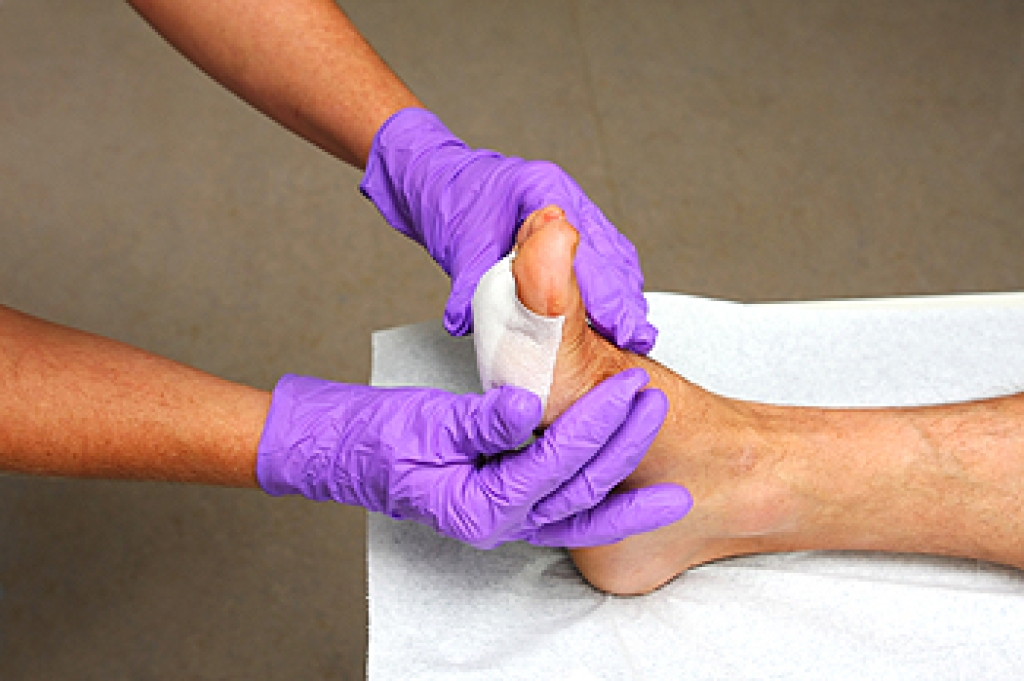
Professional Care for Foot Wounds

Foot wounds can become serious when they do not move through the normal healing process. A wound that fails to heal properly over time is considered a chronic wound. Several types can affect the lower legs and feet, including diabetic, arterial, and pressure ulcers. Diabetic foot ulcers often develop because nerve damage can reduce the ability to feel pain or repeated injury. Poor circulation can further interfere with healing. Chronic wounds require careful evaluation because their cause influences the type of treatment that may be needed.


Evaluating a non-healing foot wound involves more than examining the injured skin. Medical professionals consider the wound’s location, size, and depth. They may also evaluate drainage and the type of tissue within the wound. Blood flow is especially important because poor circulation can prevent damaged tissue from healing normally. Diabetic foot ulcers commonly develop on the toes or the bottom of the forefoot and may be surrounded by thick callused skin. Some wounds can extend into deeper tissues. Imaging may be needed when there is concern that an infection has reached the bone.


A podiatrist can evaluate a foot wound, identify factors interfering with healing, and determine an appropriate wound-care plan. Treatment depends on the type of wound and its underlying cause. Professional care may involve removing dead tissue, controlling infection, and selecting appropriate dressings. For diabetic foot ulcers, reducing pressure on the affected area is also an important part of treatment. A podiatrist can also evaluate circulation and nerve function to identify problems that may affect healing. Certain wounds may require coordinated treatment with vascular or other medical specialists. Early professional attention is important because chronic foot wounds can lead to deeper infection and other serious complications. If you have a foot wound that is not healing normally or continues to worsen, it is suggested that you consult a podiatrist for an evaluation and appropriate wound-care treatment.

Wound care is an important part in dealing with diabetes. If you have diabetes and a foot wound or would like more information about wound care for diabetics, consult with Timothy Gauldin, DPM from Toe-tal Foot Care. Our practitioner will assess your condition and provide you with quality foot and ankle treatment.

What Is Wound Care?

Wound care is the practice of taking proper care of a wound. This can range from the smallest to the largest of wounds. While everyone can benefit from proper wound care, it is much more important for diabetics. Diabetics often suffer from poor blood circulation which causes wounds to heal much slower than they would in a non-diabetic. 

What Is the Importance of Wound Care?

While it may not seem apparent with small ulcers on the foot, for diabetics, any size ulcer can become infected. Diabetics often also suffer from neuropathy, or nerve loss. This means they might not even feel when they have an ulcer on their foot. If the wound becomes severely infected, amputation may be necessary. Therefore, it is of the upmost importance to properly care for any and all foot wounds.

How to Care for Wounds

The best way to care for foot wounds is to prevent them. For diabetics, this means daily inspections of the feet for any signs of abnormalities or ulcers. It is also recommended to see a podiatrist several times a year for a foot inspection. If you do have an ulcer, run the wound under water to clear dirt from the wound; then apply antibiotic ointment to the wound and cover with a bandage. Bandages should be changed daily and keeping pressure off the wound is smart. It is advised to see a podiatrist, who can keep an eye on it.

If you have any questions please contact our office located in Hot Springs, AR . We offer the newest diagnostic and treatment technologies for all your foot and ankle needs.


Read more about Wound Care

Foot Injuries From Skateboarding

Skateboarding can be exciting and physically demanding, but repeated jumps and tricks can place considerable stress on the feet and ankles. The impact of landing on a skateboard or the ground can contribute to foot injuries, especially among children and young adults. Skateboarding injuries can range from bruises and cuts to more serious ankle sprains or fractures. Repetitive, forceful movements can also irritate tissues over time. Plantar fasciitis, which causes heel pain, may develop from repeated strain. Skateboarders may also experience Achilles tendonitis or stress fractures from continued pressure on the feet and ankles.


Some skateboarding injuries may be more serious than they first appear. An ankle sprain and a fracture can cause similar symptoms, making a professional diagnosis important. Being able to walk after an injury does not necessarily mean that a bone is not fractured. Cuts and abrasions also deserve attention, because damaged skin can become infected. Supportive footwear and protective equipment can help reduce some of the risks associated with skateboarding. However, persistent pain, swelling, or difficulty walking may indicate an injury that requires medical evaluation. Ignoring these warning signs could allow a foot or ankle problem to become more difficult to manage.


A podiatrist can examine sports-related foot and ankle injuries and determine the source of pain after a skateboarding accident. An evaluation can help distinguish between a sprain and fracture while identifying injuries caused by repeated impact. Treatment will depend on the type and severity of the injury. Proper diagnosis is especially important when symptoms continue after an injury or interfere with normal movement. A podiatrist can develop an appropriate treatment plan that supports recovery and helps protect long-term foot health. If skateboarding has caused ongoing foot pain, ankle pain, or difficulty walking, it is suggested that you consult a podiatrist for an evaluation and appropriate treatment options.

Ankle and foot injuries are common among athletes and in many sports. They can be caused by several problems and may be potentially serious. If you are feeling pain or think you were injured in a sporting event or when exercising, consult with Timothy Gauldin, DPM from Toe-tal Foot Care. Our practitioner will assess your condition and provide you with quality foot and ankle treatment.

Common Injuries

The most common injuries that occur in sporting activities include:

  • Achilles Tendonitis
  • Achilles Tendon Rupture
  • Ankle Sprains
  • Broken Foot
  • Plantar Fasciitis
  • Stress Fractures
  • Turf Toe

Symptoms

Symptoms vary depending upon the injury and in some cases, there may be no symptoms at all. However, in most cases, some form of symptom is experienced. Pain, aching, burning, bruising, tenderness, tightness or stiffness, sensation loss, difficulty moving, and swelling are the most common symptoms.

Treatment

Just as symptoms vary depending upon the injury, so do treatment options. A common treatment method is known as the RICE method. This method involves rest, applying ice, compression and elevating the afflicted foot or ankle. If the injury appears to be more serious, surgery might be required, such as arthroscopic or reconstructive surgery. Lastly, rehabilitation or therapy might be needed to gain full functionality in the afflicted area. Any discomfort experienced by an athlete must be evaluated by a licensed, reputable medical professional.  

If you have any questions please contact our office located in Hot Springs, AR . We offer the newest diagnostic and treatment technologies for all your foot and ankle needs.
Read more about Sports Related Foot and Ankle Injuries

Bunions and Big Toe Joint Pain

A bunion is a structural deformity of the foot that affects the joint at the base of the big toe. It develops gradually as the big toe shifts inward toward the second toe, causing the joint to protrude outward. This misalignment places ongoing stress on the surrounding bones, ligaments, and soft tissues, leading to discomfort and visible changes in the shape of the foot. Over time, bunions may worsen, particularly if the underlying causes are not properly addressed.

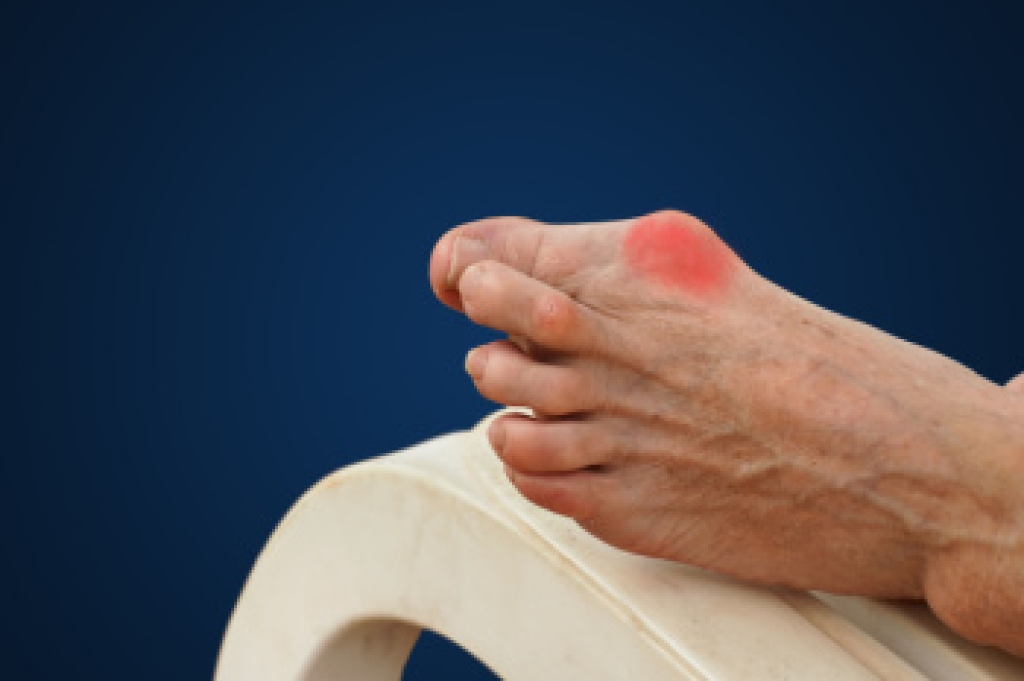
Common symptoms of bunions include persistent pain at the base of the big toe, along with swelling and inflammation in the affected joint. Many individuals also experience a burning or aching sensation, especially after long periods of standing, walking, or wearing restrictive footwear. The skin over the bunion may become red and irritated due to friction against shoes, which can increase discomfort. As the condition progresses, stiffness may develop in the big toe, limiting its range of motion and making everyday activities more challenging.

The primary cause of bunions is prolonged pressure on the big toe joint that gradually forces it out of alignment. Wearing tight, narrow, or poorly fitting shoes is a major contributing factor, as such footwear compresses the toes and increases friction. High-heeled shoes can further worsen the condition by shifting body weight forward onto the forefoot, adding extra strain. In addition, genetic factors and abnormal foot mechanics, such as flat feet or joint instability, can increase the likelihood of developing bunions.

Risk factors include wearing improper footwear, inherited foot structure, and certain biomechanical issues. Early recognition and intervention can help slow progression and reduce symptoms. Wearing supportive, well-fitted shoes and using custom orthotics may relieve pressure on the joint. If a bunion becomes painful or interferes with daily activities, consulting a podiatrist is recommended for appropriate treatment and long-term management strategies.

If you are suffering from bunion pain, contact Timothy Gauldin, DPM of Toe-tal Foot Care. Our practitioner can provide the care you need to keep you pain-free and on your feet.

What Is a Bunion?

Bunions are painful bony bumps that usually develop on the inside of the foot at the joint of the big toe. As the deformity increases over time, it may become painful to walk and wear shoes. Women are more likely to exacerbate existing bunions since they often wear tight, narrow shoes that shift their toes together. Bunion pain can be relieved by wearing wider shoes with enough room for the toes.

Causes

  • Genetics – some people inherit feet that are more prone to bunion development
  • Inflammatory Conditions - rheumatoid arthritis and polio may cause bunion development

Symptoms

  • Redness and inflammation
  • Pain and tenderness
  • Callus or corns on the bump
  • Restricted motion in the big toe

In order to diagnose your bunion, your podiatrist may ask about your medical history, symptoms, and general health. Your doctor might also order an x-ray to take a closer look at your feet. Nonsurgical treatment options include orthotics, padding, icing, changes in footwear, and medication. If nonsurgical treatments don’t alleviate your bunion pain, surgery may be necessary.

If you have any questions, please feel free to contact our office located in Hot Springs, AR . We offer the newest diagnostic and treatment technologies for all your foot care needs.

Read more about What Are Bunions?