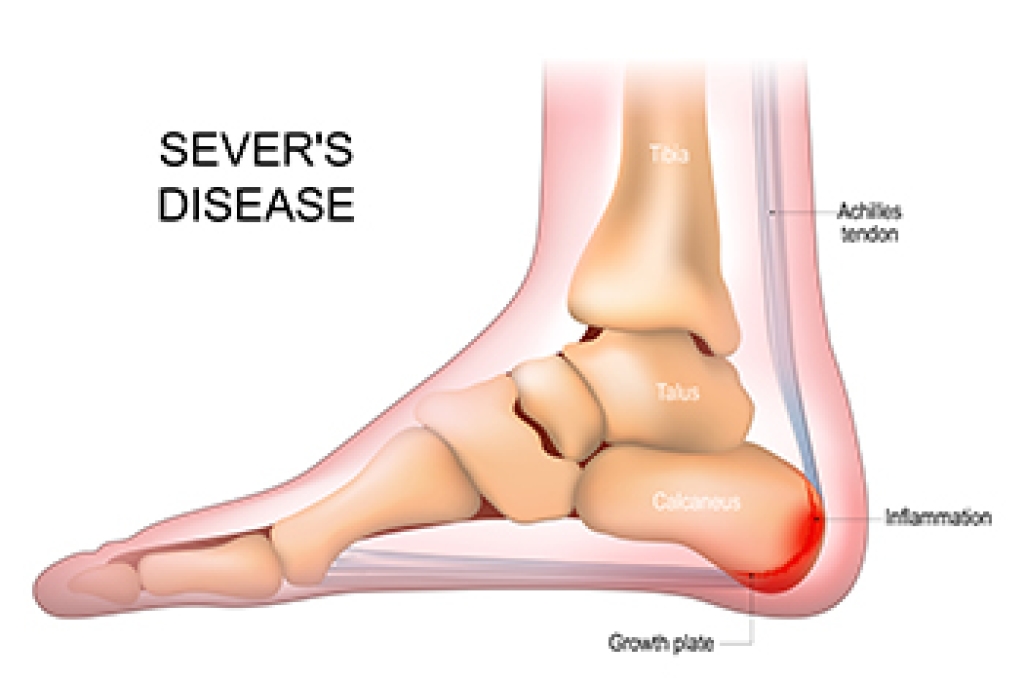
Sever's Disease and How to Support Growing Feet

Sever's disease is a common cause of heel pain in growing children and occurs when the growth plate in the heel becomes irritated from repeated stress. This condition often appears during growth spurts when bones, muscles, and tendons develop at different rates. Symptoms may include heel pain, limping, tenderness, and tight calf muscles that increase discomfort during activity. Risk factors include high impact sports, poor foot mechanics, and wearing inadequate footwear. Causes often relate to overuse, sudden increases in activity, or tight muscles pulling on the heel. A podiatrist can evaluate foot structure, recommend stretching routines, provide supportive footwear guidance, and offer treatments that reduce strain on the heel. If your active child has heel pain or is limping, it is suggested that you consult a podiatrist who can accurately diagnose and treat what may be going on. 

Sever's disease often occurs in children and teens. If your child is experiencing foot or ankle pain, see Timothy Gauldin, DPM from Toe-tal Foot Care. Our practitioner can treat your child’s foot and ankle needs.

Sever’s Disease

Sever’s disease is also known as calcaneal apophysitis, which is a medical condition that causes heel pain I none or both feet. The disease is known to affect children between the ages of 8 and 14.

Sever’s disease occurs when part of the child’s heel known as the growth plate (calcaneal epiphysis) is attached to the Achilles tendon. This area can suffer injury when the muscles and tendons of the growing foot do not keep pace with bone growth. Therefore, the constant pain which one experiences at the back of the heel will make the child unable to put any weight on the heel. The child is then forced to walk on their toes.

Symptoms

Acute pain – Pain associated with Sever’s disease is usually felt in the heel when the child engages in physical activity such as walking, jumping and or running.

Highly active – Children who are very active are among the most susceptible in experiencing Sever’s disease, because of the stress and tension placed on their feet.

If you have any questions, please feel free to contact our office located in Hot Springs, AR . We offer the newest diagnostic and treatment technologies for all your foot care needs.

Read more about Sever's Disease

When a Foot Fracture Disrupts Daily Movement

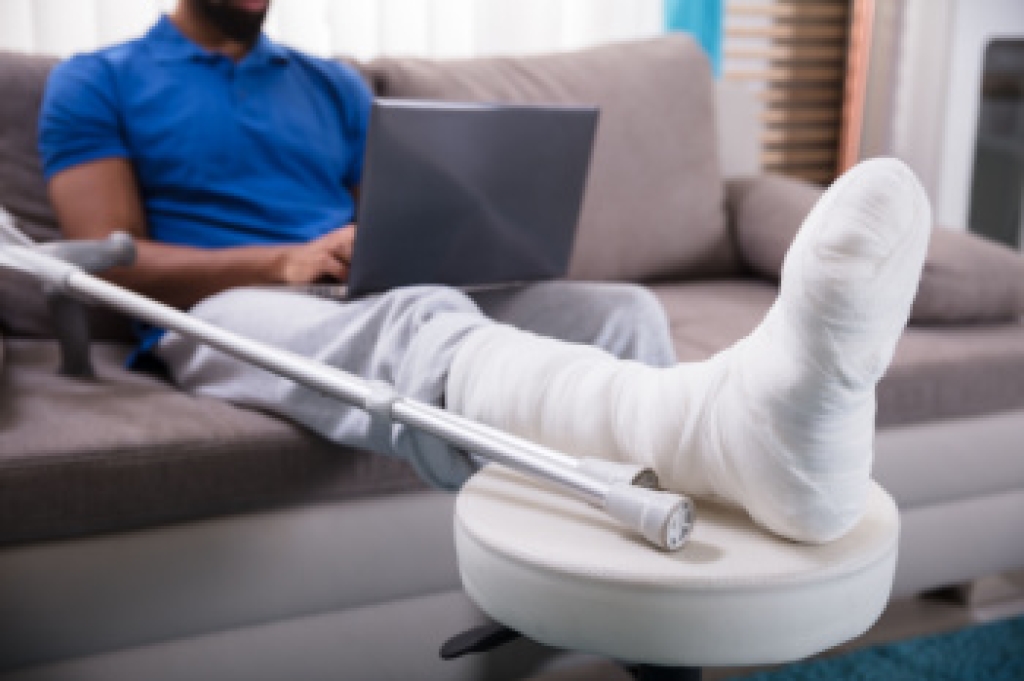
A broken foot can happen from a fall, a heavy object landing on the foot, or even repeated stress from activities that place too much pressure on the bones. Many people notice sudden pain, swelling, bruising, or difficulty putting weight on the foot right after the injury. In some cases, the discomfort may seem mild at first, but quickly worsens with walking. The area might feel tender to touch, and shoes may become uncomfortable due to swelling. Even small fractures can interfere with balance and everyday movement if they are not recognized early. Rest, elevation, and avoiding weight on the foot are usually important first steps until proper care is given. If you suspect a foot fracture because of persistent pain, swelling, or trouble walking, it is suggested that you schedule an appointment with a podiatrist for an accurate diagnosis and appropriate treatment plan.

A broken foot requires immediate medical attention and treatment. If you need your feet checked, contact Timothy Gauldin, DPM from Toe-tal Foot Care. Our practitioner can provide the care you need to keep you pain-free and on your feet.

Broken Foot Causes, Symptoms, and Treatment

A broken foot is caused by one of the bones in the foot typically breaking when bended, crushed, or stretched beyond its natural capabilities. Usually the location of the fracture indicates how the break occurred, whether it was through an object, fall, or any other type of injury. 

Common Symptoms of Broken Feet:

  • Bruising
  • Pain
  • Redness
  • Swelling
  • Blue in color
  • Numbness
  • Cold
  • Misshapen
  • Cuts
  • Deformities

Those that suspect they have a broken foot shoot seek urgent medical attention where a medical professional could diagnose the severity.

Treatment for broken bones varies depending on the cause, severity and location. Some will require the use of splints, casts or crutches while others could even involve surgery to repair the broken bones. Personal care includes the use of ice and keeping the foot stabilized and elevated.

If you have any questions, please feel free to contact our office located in Hot Springs, AR . We offer the newest diagnostic and treatment technologies for all your foot care needs.
Read more about Causes, Symptoms, and Treatment for a Broken Foot

Custom Orthotics For Outdoor Activity

Embrace the great outdoors with confidence and comfort! Whether you're hiking, jogging, or exploring nature, Custom Orthotics are your perfect companion. Tailored to your foot's unique needs, they provide stability on uneven terrains and cushioning for those longer adventures. Don't let foot discomfort limit your outdoor experiences. With Custom Orthotics, every step is supported and secure. Call today to schedule an appointment.

How Rheumatoid Arthritis Can Influence Foot Health

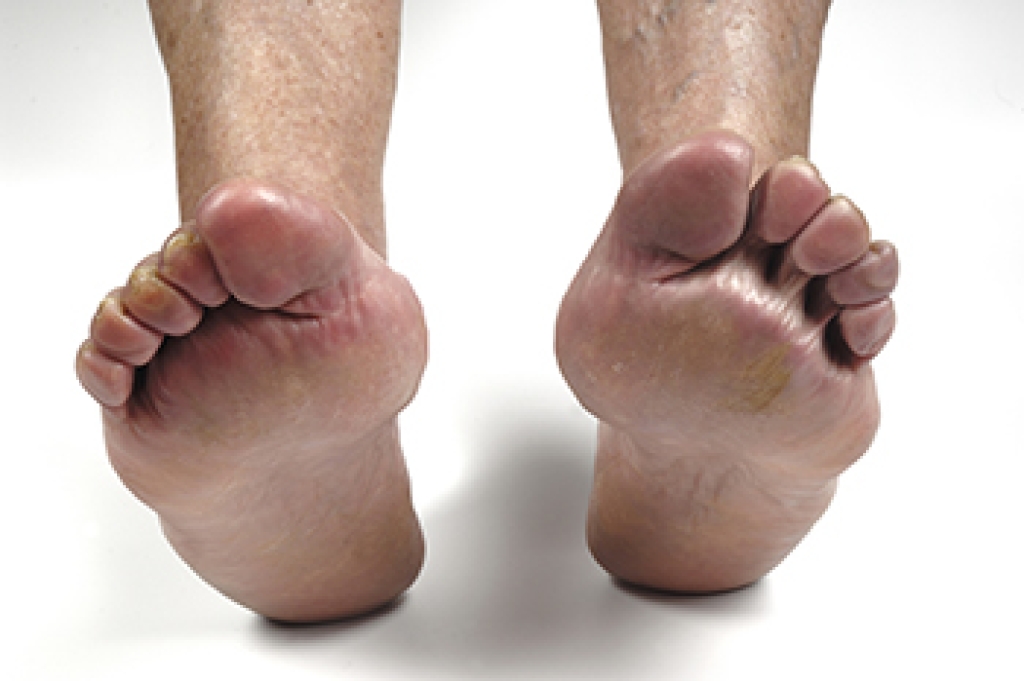
Rheumatoid arthritis is an autoimmune condition that causes the body to mistakenly attack its own joints, and the feet are often among the first areas affected. Inflammation can lead to swelling, stiffness, and a deep aching sensation, particularly in the toes and the ball of the foot. Over time, the joints may shift or lose stability, making walking uncomfortable and sometimes altering the shape of the foot. Many individuals also notice warmth, tenderness, or difficulty standing for long periods. Because these changes can progress gradually, early attention is important to protect mobility and reduce strain on surrounding joints. Supportive footwear, gentle exercises, and timely care all help manage symptoms more comfortably. If you have persistent swelling, stiffness, or joint pain in the feet, it is suggested that you schedule an appointment with a podiatrist for further evaluation.

Because RA affects more than just your joints, including the joints in your feet and ankles, it is important to seek early diagnosis from your podiatrist if you feel like the pain in your feet might be caused by RA. For more information, contact Timothy Gauldin, DPM of Toe-tal Foot Care. Our practitioner will assist you with all of your podiatric concerns.

What Is Rheumatoid Arthritis?

Rheumatoid Arthritis (RA) is an autoimmune disorder in which the body’s own immune system attacks the membranes surrounding the joints. Inflammation of the lining and eventually the destruction of the joint’s cartilage and bone occur, causing severe pain and immobility.

Rheumatoid Arthritis of the Feet

Although RA usually attacks multiple bones and joints throughout the entire body, almost 90 percent of cases result in pain in the foot or ankle area.

Symptoms

  • Swelling and pain in the feet
  • Stiffness in the feet
  • Pain on the ball or sole of feet
  • Joint shift and deformation

Diagnosis

Quick diagnosis of RA in the feet is important so that the podiatrist can treat the area effectively. Your doctor will ask you about your medical history, occupation, and lifestyle to determine the origin of the condition. Rheumatoid Factor tests help to determine if someone is affected by the disease.

If you have any questions, please feel free to contact our office located in Hot Springs, AR . We offer the newest diagnostic and treatment technologies for all your foot care needs.
Read more about Rheumatoid Arthritis in the Feet

Flat Feet and the Role of Orthotics

Flat feet occur when the arches of the feet collapse, causing the entire sole of the foot to rest on the ground. This condition can lead to pain, poor posture, and discomfort during walking or exercise. Causes include genetics, injuries, aging, obesity, and conditions like arthritis. Orthotics can help by supporting the arches, improving alignment, and reducing strain on muscles and joints. A podiatrist can assess your feet, recommend custom orthotics, and provide exercises and footwear advice to relieve pain and prevent complications. If flat feet are affecting your daily activities or comfort, it is suggested that you schedule an appointment with a podiatrist to find effective solutions, restore balance, and maintain long-term foot health and mobility.

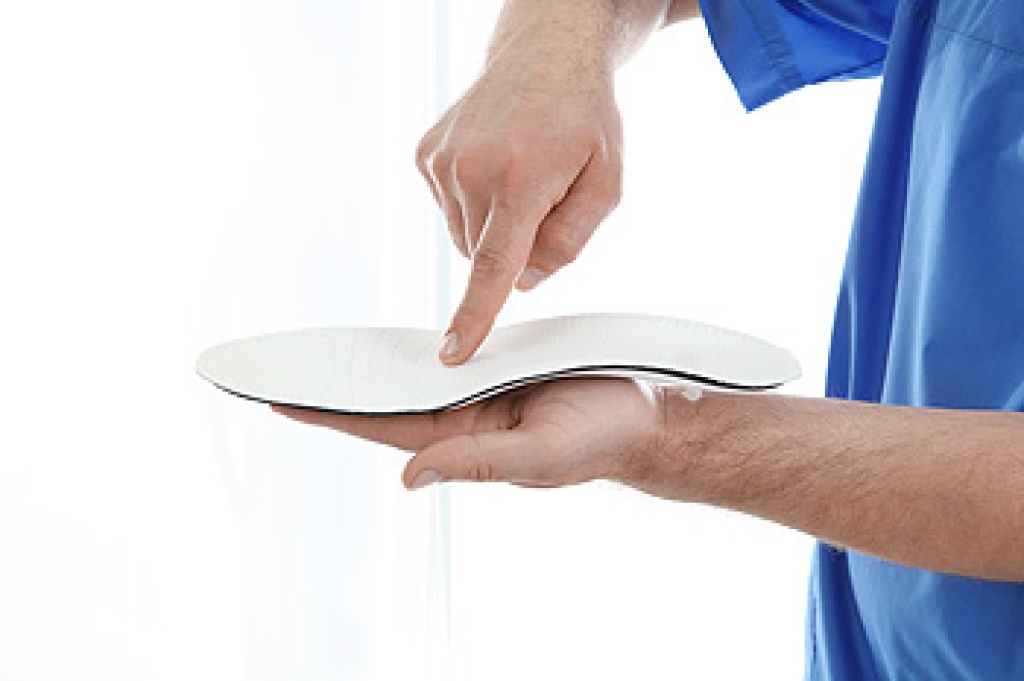
Custom orthotics are specialized shoe inserts created to support and align the feet according to each person’s unique structure and walking pattern. They are an effective way to relieve foot discomfort caused by conditions such as flat feet, high arches, plantar fasciitis, bunions, and heel pain. When the natural alignment of the foot is off balance, it can lead to pressure points, strain, and pain that affect how a person stands, walks, and moves. Orthotics work by redistributing weight evenly and supporting the arch to reduce stress on the muscles, tendons, and joints of the feet and lower legs.

Foot discomfort can develop for many reasons, including wearing improper footwear, long hours of standing, repetitive motion, or underlying structural problems. Over time, this discomfort can extend beyond the feet, contributing to knee, hip, or lower back pain. Custom orthotics help correct these issues by improving alignment and promoting more efficient movement. They are made using precise measurements and imaging to ensure the best fit for each patient, providing targeted support and cushioning where it is needed most.

Unlike generic insoles, custom orthotics are durable, medically designed, and tailored to your specific needs. Whether you are managing chronic pain, recovering from an injury, or simply seeking better comfort and stability, orthotics can make a noticeable difference in how your feet feel throughout the day.

If you are experiencing persistent foot discomfort or fatigue, it may be time to have your feet evaluated by a podiatrist. Call our office today for more information or to schedule an appointment.

If you have any questions, please feel free to contact our office located in Hot Springs, AR

Read more about Sole Marketing Foot Discomfort