Plantar Fibroma and Fibromatosis Management Options

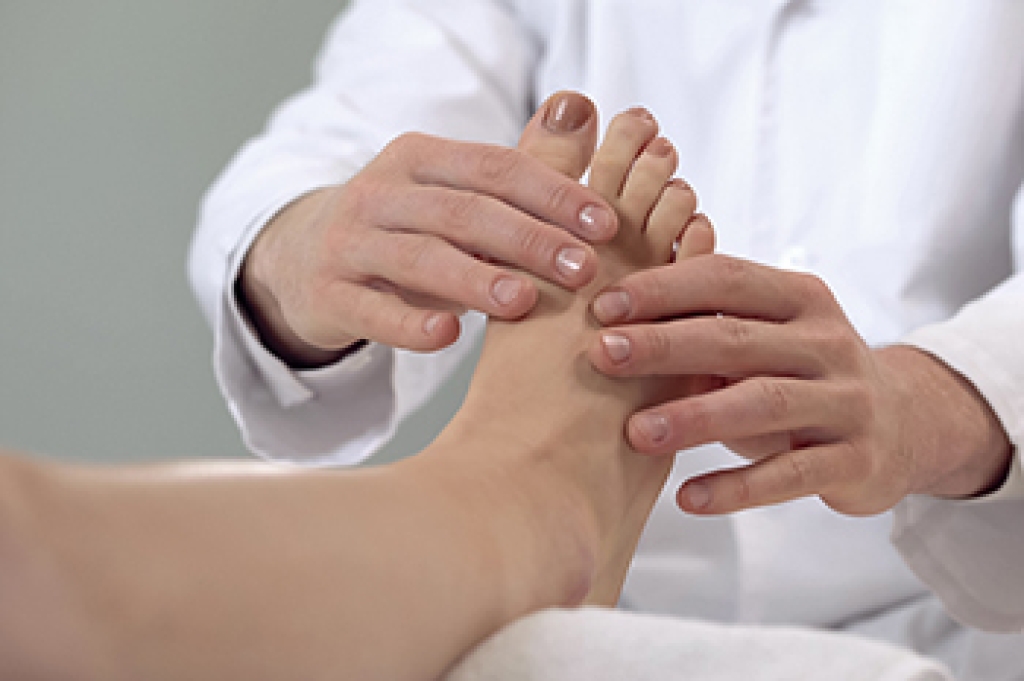
A plantar fibroma is a single benign lump that develops within the plantar fascia, the thick band of tissue along the bottom of the foot. Plantar fibromatosis refers to a more extensive condition in which multiple fibromas form and may gradually enlarge or spread. Both can cause localized pain, pressure with walking, and discomfort when standing for long periods, although fibromatosis is often more persistent and challenging to manage. Treatment focuses on reducing pressure and irritation. Custom orthotics, padding, and wearing supportive footwear help offload the affected area. Stretching and anti-inflammatory measures may ease symptoms. In some cases, targeted injections or other conservative therapies are considered. Surgery is approached cautiously, especially with fibromatosis, due to recurrence risk and scar tissue development. When ongoing arch pain or lumps interfere with daily activities, it is suggested that you obtain an evaluation by a podiatrist who can guide appropriate management and treatment.

A plantar fibroma may disrupt your daily activities. If you have any concerns, contact Timothy Gauldin, DPM of Toe-tal Foot Care. Our practitioner can provide the care you need to keep you pain-free and on your feet.

Plantar Fibroma

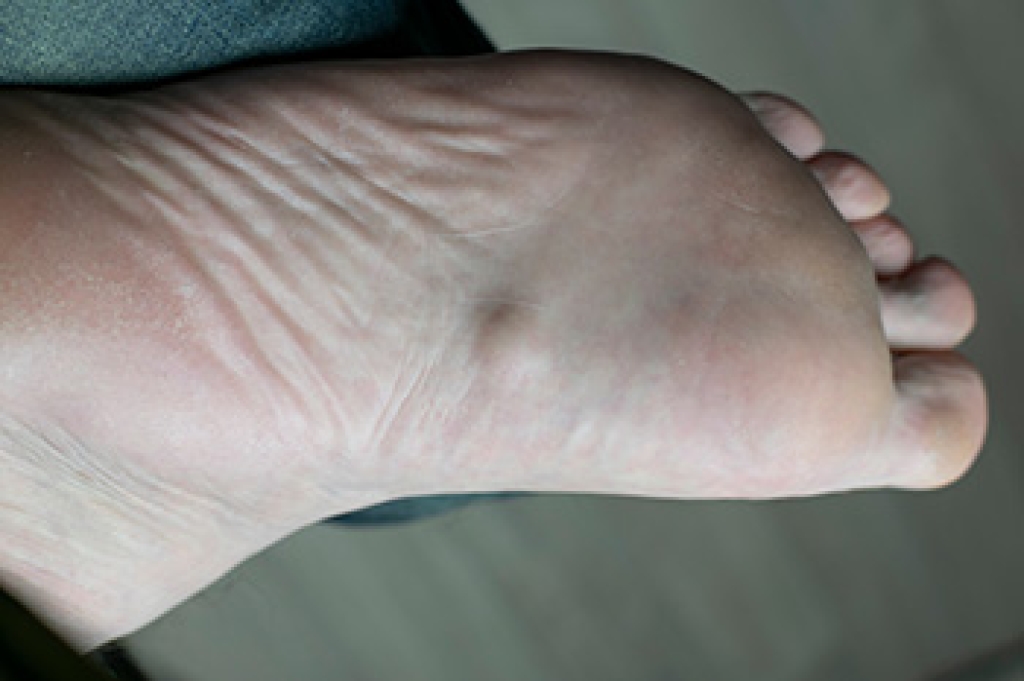
A plantar fibroma is a fibrous knot in the arch of the foot. It is embedded in the plantar fascia which is a band of tissue that extends from the heel to the toes along the bottom of the foot. There can be multiple plantar fibromas in the feet at the same time. There are no known causes for this condition. If you have a plantar fibroma, there will be a bump in the arch of your foot that cannot be missed. Any associated pain is most often due to a shoe rubbing against the nodule. Non-surgical options, such as steroid injections, physical therapy, and orthotics should be tried first. Surgery is a last resort and is the only thing that will remove a plantar fibroma entirely. Consult with a podiatrist for a proper diagnosis and to determine the treatment regimen that is right for you.

What Causes a Plantar Fibroma?

While there are no specific causes identified, a plantar fibroma can possibly come from genetic predisposition or the formation of scar tissue that forms from healing the tears in the plantar fascia.

What Are the Symptoms of a Plantar Fibroma?

There will be a noticeable lump in the arch of the foot that may or may not cause pain. If pain is felt, it is typically because a shoe is rubbing up against the lump or when walking or standing barefoot.

Treatment and Prevention

A plantar fibroma will not disappear without treatment, but it can get smaller and be a non-issue. If pain persists, a podiatrist examines the foot and when the arch of the foot is pressed, pain can be felt down to the toes. An MRI or biopsy might be performed to help diagnose or evaluate the plantar fibroma. The following non-surgical options are generally enough to reduce the size and pain of these nodules:

  • Steroid injections
  • Orthotics
  • Physical therapy to help apply anti-inflammatory creams on the bump 

Surgery is considered if the mass increases in size and the patient continues to feel pain after non-surgical methods are tried.

If you have any questions, please feel free to contact our office located in Hot Springs, AR . We offer the newest diagnostic and treatment technologies for all your foot care needs.

Read more about Plantar Fibroma

Custom Orthotics Seasonal - Any Season

Rain or shine, snow or sleet, Custom Orthotics have your feet covered! As the seasons change, ensure your steps remain comfortable and supported. Custom Orthotics adapt to your footwear, from summer sandals to winter boots, providing consistent relief and alignment. Don't let the changing weather dictate your foot comfort. Step confidently year-round and experience the difference with Custom Orthotics. Call today for more information.

Caring for the Feet When Dealing With Diabetes

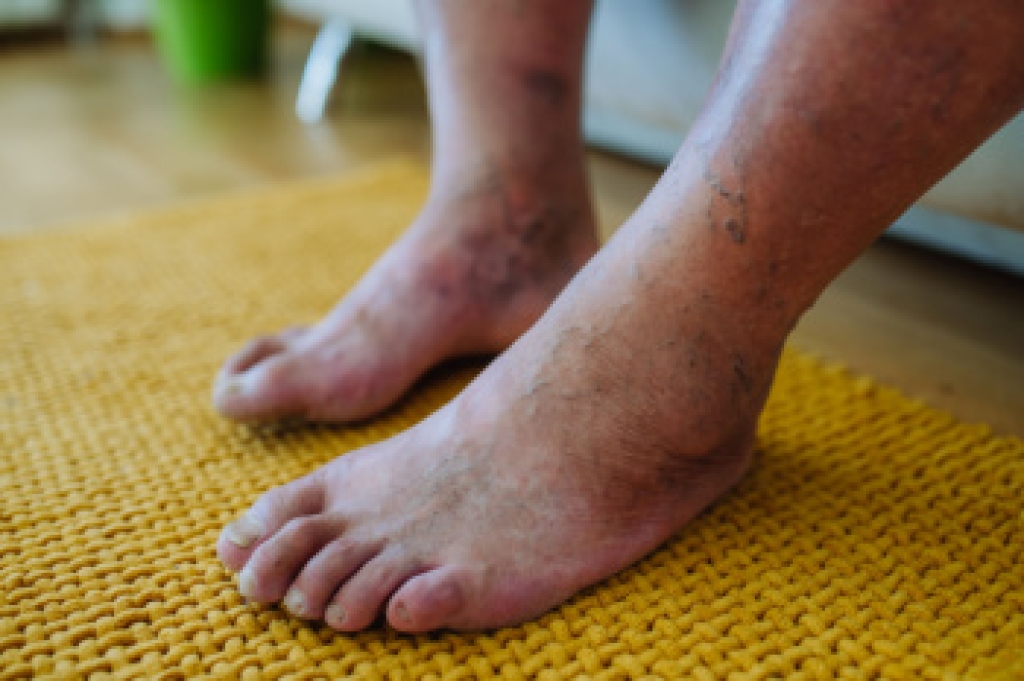
Diabetic foot care focuses on protecting the feet from complications caused by long-term diabetes, which can damage nerves and reduce circulation. These changes are often caused by prolonged elevated blood sugar levels that affect blood vessels and sensation. Symptoms include numbness, burning pain, slow healing sores, or frequent infections. The feet may look dry, cracked, or discolored, and they may feel painful in some areas while feeling very little in others. A podiatrist plays an important role by starting with a thorough examination to evaluate skin health, circulation, nerve response, and foot structure. Diagnostic testing may be used to identify risks early. Treatment often begins with preventive care, such as regular monitoring, nail and skin care, and footwear guidance, then moves into wound care and infection management. Consistent podiatric care helps reduce the risk of ulcers and serious complications. If you have diabetic foot care needs, it is suggested that you make an appointment with a podiatrist.

Diabetic foot care is important in preventing foot ailments such as ulcers. If you are suffering from diabetes or have any other concerns about your feet, contact Timothy Gauldin, DPM from Toe-tal Foot Care. Our practitioner can provide the care you need to keep you pain-free and on your feet.

Diabetic Foot Care

Diabetes affects millions of people every year. The condition can damage blood vessels in many parts of the body, especially the feet. Because of this, taking care of your feet is essential if you have diabetes, and having a podiatrist help monitor your foot health is highly recommended.

The Importance of Caring for Your Feet

  • Routinely inspect your feet for bruises or sores.
  • Wear socks that fit your feet comfortably.
  • Wear comfortable shoes that provide adequate support.

Patients with diabetes should have their doctor monitor their blood levels, as blood sugar levels play such a huge role in diabetic care. Monitoring these levels on a regular basis is highly advised.

It is always best to inform your healthcare professional of any concerns you may have regarding your feet, especially for diabetic patients. Early treatment and routine foot examinations are keys to maintaining proper health, especially because severe complications can arise if proper treatment is not applied.

If you have any questions, please feel free to contact our office located in Hot Springs, AR . We offer the newest diagnostic and treatment technologies for all your foot care needs.
Read more about How to Care for Diabetic Foot

Improving Balance for Older Adults

As people age, feet and ankles may weaken or lose the smooth coordination they once had. This can lead to wobbling, instability, and a higher chance of falling. Problems might begin when arches collapse, ankles roll too far inward or outward, or the foot does not press on the ground evenly. These changes can cause aching, foot fatigue, or a sense that walking is less steady. In older adults, the loss of support in the feet can ripple upward, affecting balance and how the body stands or moves. With a detailed foot and ankle check, a podiatrist can determine how orthotics might help by supporting arches, guiding foot alignment, and spreading pressure more evenly across the foot. Orthotics improve how the foot interacts with the ground and give the legs a more stable base for movement. If you are feeling unsteady on your feet or worrying about balance, it is suggested that you schedule an appointment with a podiatrist to discuss custom orthotics

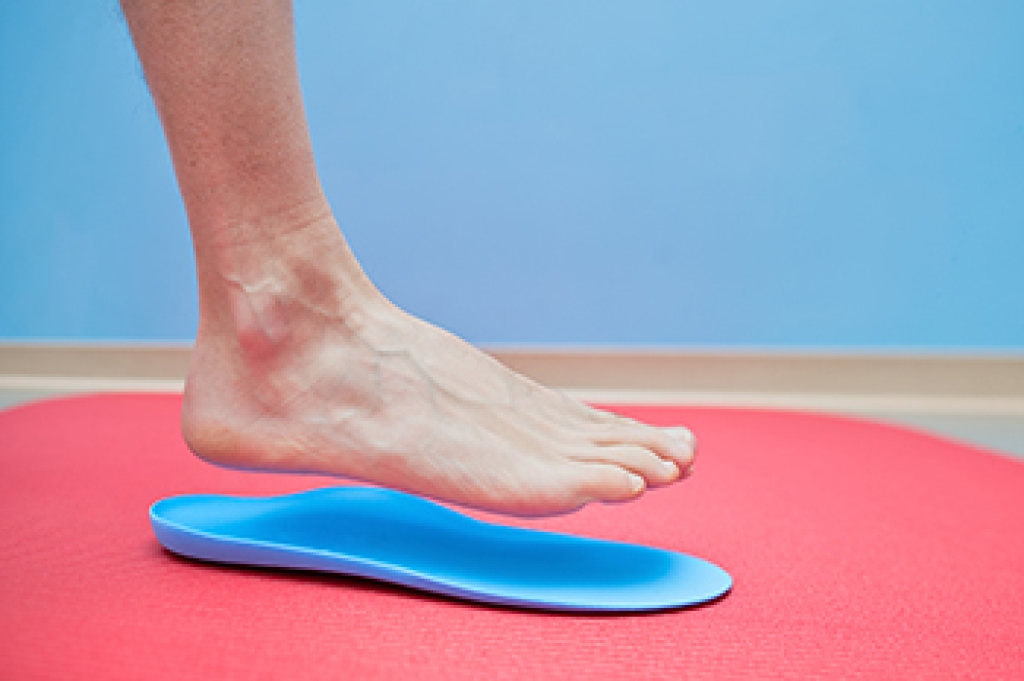
Custom orthotics are specialized shoe inserts created to support and align the feet according to each person’s unique structure and walking pattern. They are an effective way to relieve foot discomfort caused by conditions such as flat feet, high arches, plantar fasciitis, bunions, and heel pain. When the natural alignment of the foot is off balance, it can lead to pressure points, strain, and pain that affect how a person stands, walks, and moves. Orthotics work by redistributing weight evenly and supporting the arch to reduce stress on the muscles, tendons, and joints of the feet and lower legs.

Foot discomfort can develop for many reasons, including wearing improper footwear, long hours of standing, repetitive motion, or underlying structural problems. Over time, this discomfort can extend beyond the feet, contributing to knee, hip, or lower back pain. Custom orthotics help correct these issues by improving alignment and promoting more efficient movement. They are made using precise measurements and imaging to ensure the best fit for each patient, providing targeted support and cushioning where it is needed most.

Unlike generic insoles, custom orthotics are durable, medically designed, and tailored to your specific needs. Whether you are managing chronic pain, recovering from an injury, or simply seeking better comfort and stability, orthotics can make a noticeable difference in how your feet feel throughout the day.

If you are experiencing persistent foot discomfort or fatigue, it may be time to have your feet evaluated by a podiatrist. Call our office today for more information or to schedule an appointment.

If you have any questions, please feel free to contact our office located in Hot Springs, AR

Read more about Sole Marketing Foot Pain

Struggling with wounds that just won’t heal?

Favor Foot Ankle Leg & Wound Care is proud to be New Jersey’s leader in advanced wound care. Our experienced team is dedicated to providing innovative and effective treatments for non-healing wounds - so you can start healing today!

See if advanced wound care is right for you - Request an appointment today!