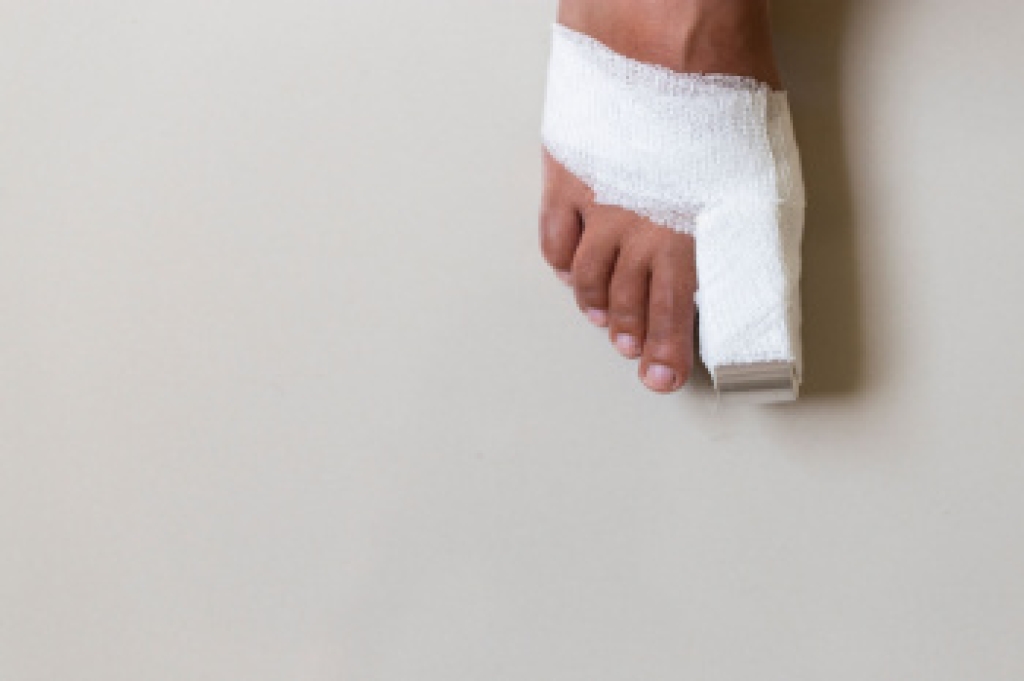
What Happens When a Toe Is Fractured

A toe fracture is a break in one of the small bones that make up the toes. These injuries often occur when the toe is stubbed against a hard object, when something heavy falls on the foot, or during sports activities. Common symptoms include pain, swelling, bruising, and difficulty walking. Some people notice that the toe appears crooked or becomes tender to touch. Because these symptoms can resemble a sprain or severe bruise, proper diagnosis is important. A podiatrist will examine the toe and may order an X-ray to confirm whether a fracture is present and determine its severity. Treatment depends on the type of break. Many fractures are treated with protective taping, supportive footwear, and limited activity while the bone heals. More serious fractures may require additional stabilization. If you suspect a broken toe or have persistent toe pain, it is suggested that you see a podiatrist for a proper diagnosis and appropriate treatment.

A broken toe can be very painful and lead to complications if not properly fixed. If you have any concerns about your feet, contact Timothy Gauldin, DPM from Toe-tal Foot Care. Our practitioner will treat your foot and ankle needs.

What to Know About a Broken Toe

Although most people try to avoid foot trauma such as banging, stubbing, or dropping heavy objects on their feet, the unfortunate fact is that it is a common occurrence. Given the fact that toes are positioned in front of the feet, they typically sustain the brunt of such trauma. When trauma occurs to a toe, the result can be a painful break (fracture).

Symptoms of a Broken Toe

  • Throbbing pain
  • Swelling
  • Bruising on the skin and toenail
  • The inability to move the toe
  • Toe appears crooked or disfigured
  • Tingling or numbness in the toe

Generally, it is best to stay off of the injured toe with the affected foot elevated.

Severe toe fractures may be treated with a splint, cast, and in some cases, minor surgery. Due to its position and the pressure it endures with daily activity, future complications can occur if the big toe is not properly treated.

If you have any questions, please feel free to contact our office located in Hot Springs, AR . We offer the newest diagnostic and treatment technologies for all your foot care needs.
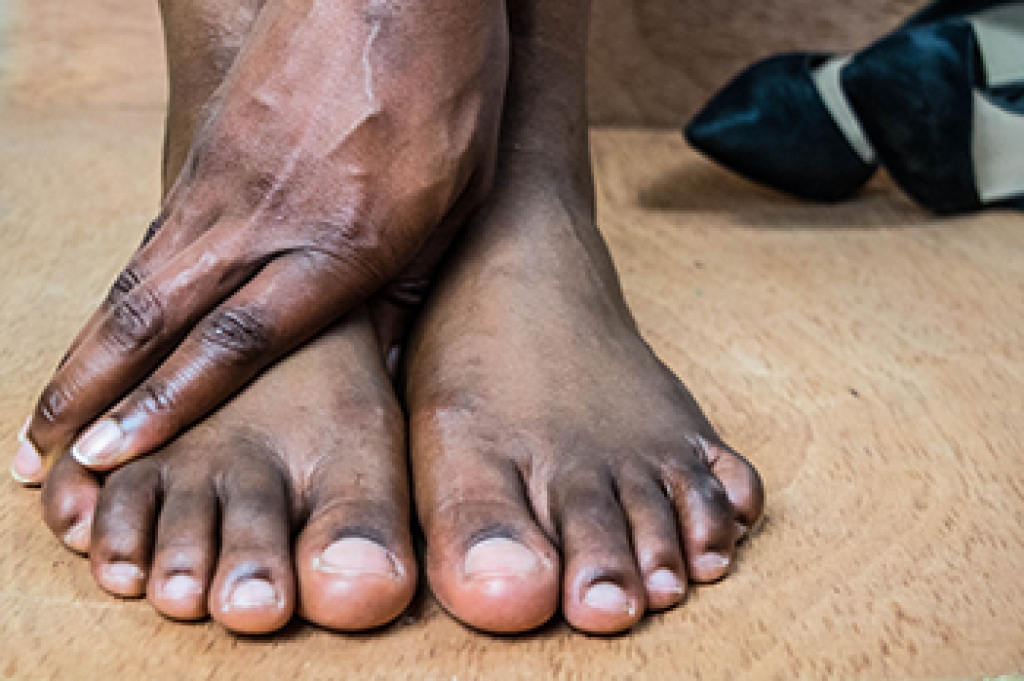

Read more about What to Know About a Broken Toe

How Certain Genetic Conditions Can Affect the Feet

Some genetic disorders can influence the way bones, joints, and connective tissues develop in the feet. Because the feet contain many small bones and joints, inherited conditions may change their shape, alignment, or flexibility. Achondroplasia, a common form of dwarfism, affects bone growth and may lead to changes in leg alignment that place extra stress on the feet and ankles during walking. Ellis van Creveld syndrome is a rare genetic condition that can cause short limbs and sometimes extra toes, which may affect balance and shoe fit. Marfan syndrome affects the body’s connective tissue and often leads to long, flexible feet with loose joints that can increase the risk of ankle instability. These structural differences may lead to discomfort, fatigue, or changes in walking over time. When unusual foot structure or persistent pain develops, it is suggested that you see a podiatrist for a proper diagnosis and appropriate treatment.

Some foot conditions may require additional professional care. If you have any concerns, contact Timothy Gauldin, DPM of Toe-tal Foot Care. Our practitioner can provide the care you need to keep you pain-free and on your feet.

Rare Foot Conditions

The majority of foot conditions are common and can be treated by a podiatrist.  Standard diagnostic procedures are generally used to identify specific conditions and treatment can be rendered. A podiatrist also treats rare foot conditions which can be difficult to diagnose and may need extra attention and care. 

There are many rare foot conditions that can affect children. Some of these can include:

  • Freiberg’s disease
  • Kohler’s disease
  • Maffucci syndrome

Freiberg’s disease - This can be seen as a deterioration and flattening of a metatarsal bone that exists in the ball of the foot. It typically affects pre-teen and teenage girls, but can affect anyone at any age. Symptoms that can accompany this can be swelling, stiffness, and the patient may limp. 

Kohler’s disease - This often targets the bone in the arch of the foot and affects younger boys. It can lead to an interruption of the blood supply which ultimately can lead to bone deterioration. The patient may limp or experience tenderness, swelling, and redness.

Maffucci syndrome - This affects the long bones in a child’s foot leading to the development of abnormal bone lesions. They are benign growths and typically develop in early childhood and the bones may be susceptible to breaking. 

A podiatrist can properly diagnose and treat all types of rare foot conditions. If your child is affected by any of these symptoms or conditions, please don’t hesitate to call our office so the correct treatment method can begin.

If you have any questions, please feel free to contact our office located in Hot Springs, AR . We offer the newest diagnostic and treatment technologies for all your foot care needs.
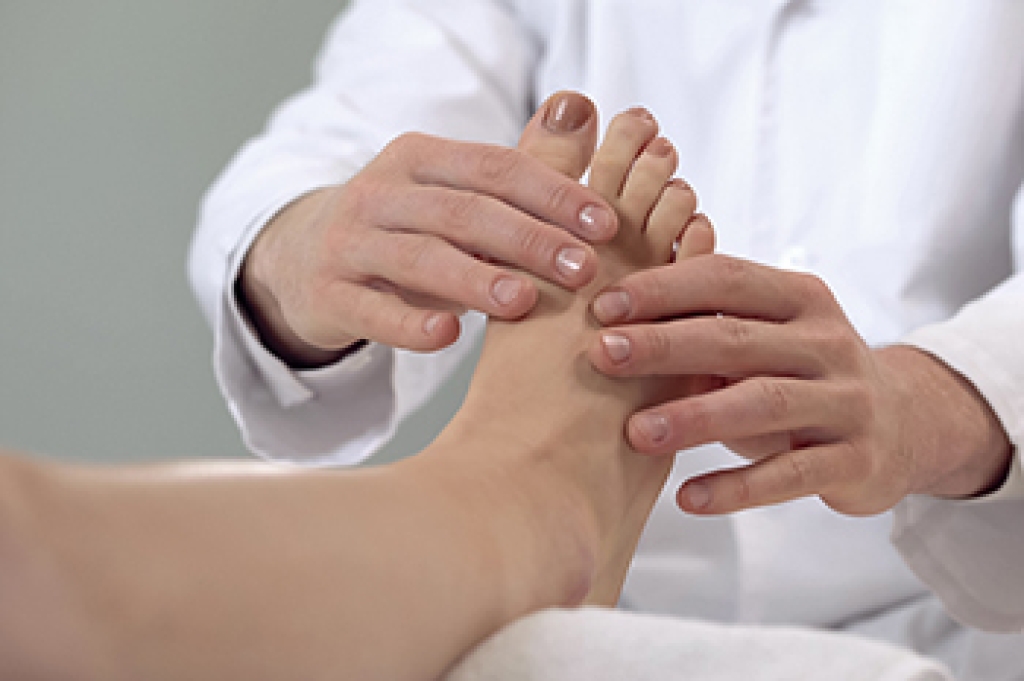
Read more about Rare Foot Conditions

Top 5 Benefits of Custom Orthotics

Discover the long-term benefits of orthotics! Tailored to your unique foot structure, Custom Orthotics ensure every step radiates comfort and helps reduce foot and heel pain. Beyond comfort, they enhance your posture, allowing you to stand taller and walk with confidence. Whether you're casually strolling or actively running, they can elevate your performance. Call our office today and see if Custom Orthotics are right for you.

Struggling with Diabetic Foot Ulcers?

By offering treatments such as Hyperbaric Oxygen Therapy, Debridement, Offloading, Specialty Dressings, and more, we provide not just hope but a comprehensive approach to healing for those suffering from non-healing foot and leg wounds. 

See if advanced wound care is right for you - Request an appointment today!

Helping Children With Ingrown Toenails

Ingrown toenails are common in children and can cause surprising discomfort. This problem occurs when the edge of the nail grows into the surrounding skin. Wearing tight shoes, improper nail trimming, and sports injuries are frequent causes. Early signs include redness, swelling, and tenderness along the nail border. If bacteria enter the area, drainage and increased pain may develop. Treatment depends on how advanced the condition is. Mild cases may improve with warm water soaks, gentle lifting of the nail edge, and wearing wider shoes. It is important to trim nails straight across rather than rounding the corners. When infection or severe pain is present, a podiatrist may carefully remove a portion of the nail to relieve pressure and allow healing. Prompt care prevents complications and helps children return to normal activities quickly. If your child has ongoing toe pain or signs of infection, it is suggested that you see a podiatrist for a proper diagnosis and appropriate treatment.

Ingrown toenails may initially present themselves as a minor discomfort, but they may progress into an infection in the skin without proper treatment. For more information about ingrown toenails, contact Timothy Gauldin, DPM of Toe-tal Foot Care. Our practitioner can provide the care you need to keep you pain-free and on your feet.

Ingrown Toenails

Ingrown toenails are caused when the corner or side of a toenail grows into the soft flesh surrounding it. They often result in redness, swelling, pain, and in some cases, infection. This condition typically affects the big toe and may recur if it is not treated properly.

Causes

  • Improper toenail trimming
  • Genetics
  • Improper shoe fitting
  • Injury from pedicures or nail picking
  • Abnormal gait
  • Poor hygiene

You are more likely to develop an ingrown toenail if you are obese, have diabetes, arthritis, or have any fungal infection in your nails. Additionally, people who have foot or toe deformities are at a higher risk of developing an ingrown toenail.

Symptoms

Some symptoms of ingrown toenails are redness, swelling, and pain. In rare cases, there may be a yellowish drainage coming from the nail.

Treatment

Ignoring an ingrown toenail can have serious complications. Infections of the nail border can progress to a deeper soft-tissue infection, which can then turn into a bone infection. You should always speak with your podiatrist if you suspect you have an ingrown toenail, especially if you have diabetes or poor circulation.

If you have any questions, please feel free to contact our office located in Hot Springs, AR . We offer the newest diagnostic and treatment technologies for all your foot care needs.

Read more about Ingrown Toenails