Foot Cramps Can Disrupt Comfort and Movement

Foot pain that includes cramping can be uncomfortable and sometimes sudden, often causing the muscles in the foot or toes to tighten or spasm. These cramps may feel sharp, pulling, or twisting, and can occur during rest, sleep, or activity. The foot may appear tense or stiff during an episode, and soreness can linger afterward. Common causes include muscle fatigue, dehydration, and poor circulation. Electrolyte imbalance or unsupportive footwear are other factors. Certain conditions, such as nerve issues or overuse, also can contribute to frequent cramping. A podiatrist can evaluate the pattern and triggers of the cramps, examine foot structure, and help identify any underlying concerns. Treatment includes supportive footwear, custom orthotics, and targeted exercises to improve flexibility and reduce muscle strain. Guidance on hydration and proper foot care may also be provided. Early attention can help prevent recurring discomfort and improve overall foot function. If you have foot pain from cramps, it is suggested that you make an appointment with a podiatrist.

Foot Pain

Foot pain can be extremely painful and debilitating. If you have a foot pain, consult with Timothy Gauldin, DPM from Toe-tal Foot Care. Our practitioner will assess your condition and provide you with quality foot and ankle treatment.

Causes

Foot pain is a very broad condition that could be caused by one or more ailments. The most common include:

  • Bunions
  • Hammertoes
  • Plantar Fasciitis
  • Bone Spurs
  • Corns
  • Tarsal Tunnel Syndrome
  • Ingrown Toenails
  • Arthritis (such as Gout, Rheumatoid, and Osteoarthritis)
  • Flat Feet
  • Injury (from stress fractures, broken toe, foot, ankle, Achilles tendon ruptures, and sprains)
  • And more

Diagnosis

To figure out the cause of foot pain, podiatrists utilize several different methods. This can range from simple visual inspections and sensation tests to X-rays and MRI scans. Prior medical history, family medical history, and any recent physical traumatic events will all be taken into consideration for a proper diagnosis.

Treatment

Treatment depends upon the cause of the foot pain. Whether it is resting, staying off the foot, or having surgery; podiatrists have a number of treatment options available for foot pain.

If you have any questions, please feel free to contact our office located in Hot Springs, AR . We offer the newest diagnostic and treatment technologies for all your foot care needs.


Read more about Foot Pain

Stop Stubborn Plantar Warts with Swift

Are you frustrated by plantar warts? Plantar warts are commonly found on the soles of the feet or other areas that bear weight. They form due to exposure to the human papillomavirus (HPV). Effectively treat plantar warts with Swift, an FDA-cleared technology that has proven to be highly effective in the removal of plantar warts.

Saving Limbs Through Early and Team-Based Foot Care

Severe circulation problems in a lower extremity and open sores with infection can place a limb at serious risk. This is especially true for people with diabetes, where nerve damage and reduced blood flow can delay healing and mask early warning signs. In many cases, loss of part of the leg can be prevented when care begins early and is well-coordinated. These conditions are rarely simple. Pressure, bacteria, and poor tissue health often combine, making recovery more difficult. Successful care often involves a group of providers working together, including specialists in circulation, wound care, and foot health. Each focuses on restoring blood flow, reducing pressure, and supporting healing. Regular monitoring and patient involvement also play an important role. If you have diabetes and notice a slow-healing sore or signs of infection, it is suggested that you are under the care of a podiatrist for appropriate treatment and help in managing this serious condition. 

Diabetic Limb Salvage

Diabetic limb salvage can be an effective way in preventing the need for limb amputation. If you have a foot ulcer and diabetes, consult with Timothy Gauldin, DPM from Toe-tal Foot Care. Our practitioner will assess your condition and provide you with quality foot and ankle treatment.

What Is Diabetic Limb Salvage?

Diabetic limb salvage is the attempt of saving a limb, such as the foot, that has an infected ulcer, from amputation. Podiatrists also try to make sure that there is enough function in the foot after the salvage that it is still usable. Those with diabetes experience poor blood circulation, which prevents proper healing of an ulcer. If the ulcer is left uncheck, it could become infected, which could result in the need for amputation.

Diabetes is the number one cause of non-traumatic amputations in the United States. Amputation has been found to lead to higher mortality rates. This translates into higher healthcare costs, and a reduced quality of life and mobility for amputees. Podiatrists have attempted to increase the prevalence of limb salvage in an attempt to solve these issues.

Diagnosis and Treatment

Limb salvage teams have grown in recent years that utilize a number of different treatments to save the infected limb. This includes podiatrists that specialize in wound care, rehabilitation, orthotics, and surgery. Through a combination of these methods, limb salvage has been found to be an effective treatment for infected limbs, and as an alternative to amputation. Podiatrists will first evaluate the potential for limb salvage and determine if the limb can be saved or must be amputated. 

If you have any questions, please feel free to contact our office located in Hot Springs, AR . We offer the newest diagnostic and treatment technologies for all your foot care needs.

Read more about Diabetic Limb Salvage

Custom Orthotics for High Heels

Custom Orthotics help you not have to choose between style and comfort. With Custom Orthotics designed for high heels, you can walk with confidence, knowing your feet are supported. Custom Orthotics help distribute pressure evenly, reducing the risk of pain and discomfort. Whether it's a day at the office or a night on the town, make every step graceful and pain-free. Discover the magic of Custom Orthotics for high heels by calling our office today.

Dealing With Swollen Feet

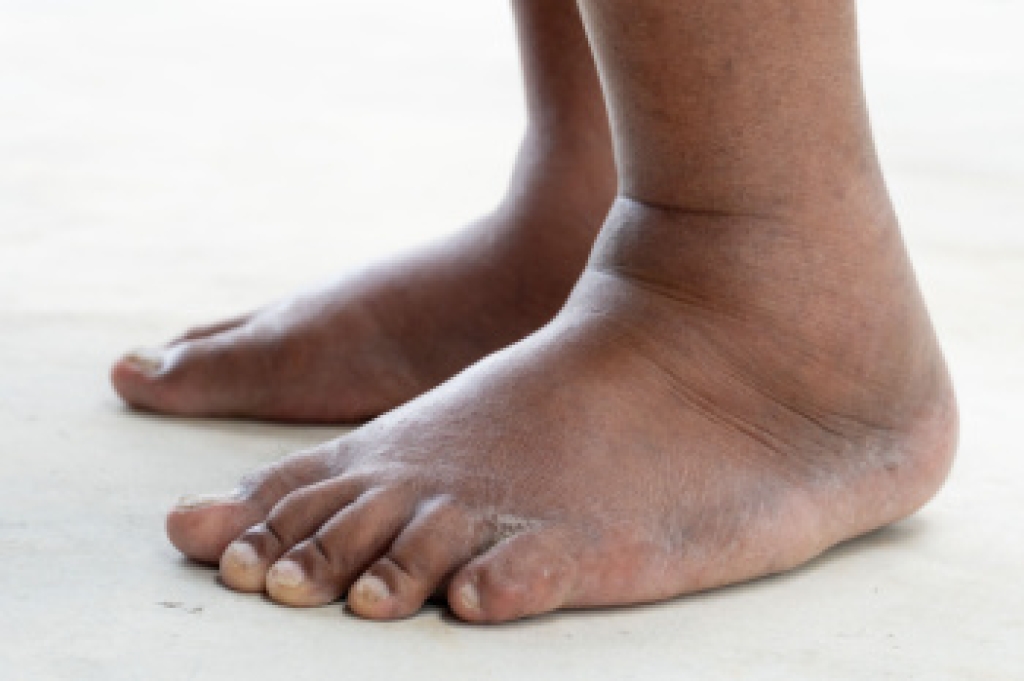
Swelling of the feet, also known as edema, occurs when fluid builds up in the tissues, causing the feet to appear puffy or enlarged. The skin may look stretched or shiny, and pressing on the area can sometimes leave an indentation. Patients often describe a heavy or tight feeling, and shoes may suddenly feel too snug. Swelling often develops after long periods of standing or sitting. However, it may also be linked to circulation issues, injury, pregnancy, or underlying medical conditions. A podiatrist can evaluate the pattern and severity of swelling through a physical exam and may coordinate care if a broader medical cause is suspected. Treatment focuses on improving circulation and reducing fluid buildup with supportive footwear, compression, and targeted exercises. Early attention can help prevent discomfort and complications. If you notice swelling of the feet, it is suggested that you make an appointment with a podiatrist.

Swollen feet can be a sign of an underlying condition. If you have any concerns, contact Timothy Gauldin, DPM of Toe-tal Foot Care. Our practitioner can provide the care you need to keep you pain-free and on your feet.

Swollen feet are a common ailment among pregnant women and people who stand or sit for extended periods. Aging may increase the possibility of swollen feet and patients who are obese often notice when their feet are swelling too. There may be medical reasons why swollen feet occur:

  • Phlebitis - A condition that causes the veins to become inflamed and can also cause leg pain.
  • Liver disease - This may lead to low blood levels of albumin which is a protein. This can cause fluid in the blood to pass into the tissues and several areas of the body can become swollen.
  • Heart failure - When the heart doesn’t pump properly the blood that is normally pumped back to the heart can pool in the veins of the legs causing swollen feet.
  • Kidney disease - One of the main functions of the kidneys is releasing excess fluid in the body. This type of condition can make it difficult for the kidneys to function properly, and as a result the feet may become swollen.
  • Deep-vein thrombosis (DVT)- This is a serious condition where blood clots form in the veins of the legs. They can block the return of blood from the legs to the heart which may cause the feet to swell. It is important to be treated by a podiatrist if this condition is present.

Swollen feet can also be caused by bone and tendon conditions, including fractures, arthritis, and tendinitis. Additionally, there may be skin and toenail conditions and an infection may cause the feet to swell. Patients who take medicine to treat high blood pressure may be prone to getting swollen feet. 

Many patients elevate their feet to help relieve the swelling and this is generally a temporary remedy. When a podiatrist is consulted the reason behind the swelling can be uncovered and subsequently treated.

If you have any questions please contact our office located in Hot Springs, AR . We offer the newest diagnostic and treatment technologies for all your foot and ankle needs.

Read more about Swelling of the Feet