
Orthotic Treatment for Flexible Flat Foot in Children

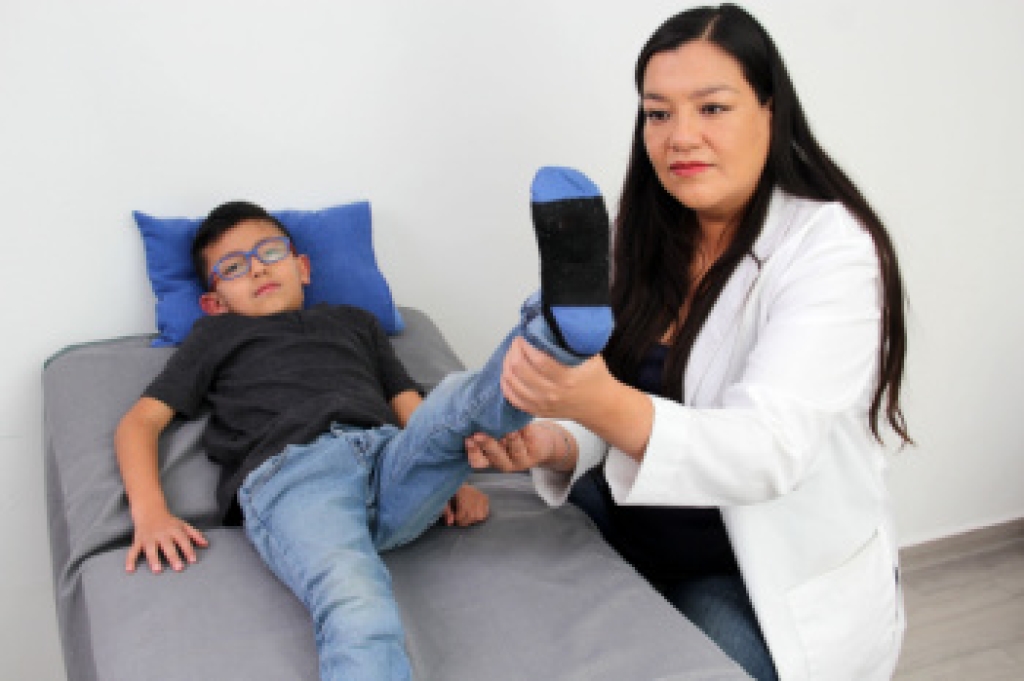
Flexible flat foot in children is a condition where the arch is seen when sitting, but flattens when standing. This can happen as the foot is still developing, or due to loose ligaments and muscle imbalance. In some children, the feet roll inward, which can change how the ankles and legs line up. Symptoms include tired feet, arch discomfort, ankle pain, or trouble keeping up with activity. Some children may also show uneven shoe wear or changes in walking pattern. Orthotic treatment can help by supporting the arch and guiding the foot into a better position during movement. This support helps spread pressure more evenly and reduces strain on the feet, ankles, and legs. With improved alignment, the body can move more smoothly and with less discomfort. If your child is experiencing any of these symptoms, it is suggested that you schedule an appointment with a podiatrist to see if orthotics are the right treatment.

Custom orthotics are often an effective solution for people experiencing heel pain, offering both comfort and correction for the underlying causes of discomfort. Heel pain commonly develops when the natural support of the foot becomes strained or imbalanced, leading to inflammation and irritation in the heel area. Conditions such as plantar fasciitis, heel spurs, or flat feet can all contribute to chronic heel pain that worsens with walking or standing. Custom orthotics are designed to fit the exact shape of your foot, providing the support and alignment necessary to reduce stress on the heel and surrounding tissues.

By redistributing pressure and improving overall foot mechanics, custom orthotics allow the heel to function more efficiently during movement. They cushion each step, absorb shock, and correct abnormal gait patterns that may be contributing to pain. Over time, this consistent support can ease inflammation, protect against re-injury, and enhance comfort during both daily and athletic activities.

Unlike prefabricated insoles, custom orthotics are created from a detailed evaluation that may include digital scans or molds of your feet. This ensures a precise and individualized fit that addresses your specific condition. They can be used in various types of footwear, from athletic shoes to dress styles, making them a versatile option for ongoing relief.

If heel pain is limiting your comfort or activity level, it is suggested that you call our office for more information or to schedule an appointment.

If you have any questions please contact our office located in Hot Springs, AR

Read more about Sole Marketing Foot Discomfort

How to Recognize a Plantar Wart

A plantar wart is a growth that appears on the bottom of the foot. It is caused by a virus that enters through small breaks in the skin. A plantar wart often looks round and may feel firm or rough to the touch. Unlike many raised warts, plantar warts are usually flat because body weight pushes them inward. One key sign is the presence of tiny black dots, which are small blood vessels within the wart. Warts commonly develop on weight-bearing areas like the heel or ball of the foot and can become painful when walking. They may also form in clusters, which can increase discomfort. A podiatrist can examine the area and confirm the diagnosis. Treatment measures to reduce pain and remove the wart safely include freezing or burning off the growth as well as prescribing certain medications. If you have symptoms of a plantar wart, it is suggested that you make an appointment with a podiatrist for a diagnosis and treatment.

Plantar warts can be very uncomfortable. If you need your feet checked, contact Timothy Gauldin, DPM from Toe-tal Foot Care. Our practitioner will assist you with all of your foot and ankle needs.

About Plantar Warts

Plantar warts are the result of HPV, or human papillomavirus, getting into open wounds on the feet. They are mostly found on the heels or balls of the feet.

While plantar warts are generally harmless, those experiencing excessive pain or those suffering from diabetes or a compromised immune system require immediate medical care. Plantar warts are easily diagnosed, usually through scraping off a bit of rough skin or by getting a biopsy.

Symptoms

  • Lesions on the bottom of your feet, usually rough and grainy
  • Hard or thick callused spots
  • Wart seeds, which are small clotted blood vessels that look like little black spots
  • Pain, discomfort, or tenderness of your feet when walking or standing

Treatment

  • Freezing
  • Electric tool removal
  • Laser Treatment
  • Topical Creams (prescription only)
  • Over-the-counter medications

To help prevent developing plantar warts, avoid walking barefoot over abrasive surfaces that can cause cuts or wounds for HPV to get into. Avoiding direct contact with other warts, as well as not picking or rubbing existing warts, can help prevent the further spread of plantar warts. However, if you think you have developed plantar warts, speak to your podiatrist. He or she can diagnose the warts on your feet and recommend the appropriate treatment options.

If you have any questions, please feel free to contact our office located in Hot Springs, AR . We offer the newest diagnostic and treatment technologies for all your foot care needs.


Read more about Plantar Warts

What a Podiatrist Treats

A podiatrist is a medical specialist who focuses on diagnosing and treating conditions of the feet and ankles. They manage a wide range of problems including bunions, fungal infections, ingrown toenails, and diabetes-related foot complications. Bunions appear as a bony bump at the base of the big toe, and may cause pain or misalignment. Fungal infections can lead to thick, discolored nails or skin irritation, and ingrown toenails occur when the nail grows into the surrounding skin, causing redness and discomfort. Diabetes-related foot complications encompass a range of conditions, including neuropathy, poor circulation, ulceration, infection, and impaired wound healing. A podiatrist can provide an accurate diagnosis, advanced treatment options, and ongoing care to improve foot health and prevent complications. If you have foot or ankle pain, it is strongly suggested that you visit a podiatrist for an evaluation and appropriate treatment options.

If you are experiencing pain in the feet or ankles, don’t join the stubborn majority refusing treatment. Feel free to contact Timothy Gauldin, DPM from Toe-tal Foot Care. Our practitioner can provide the care you need to keep you pain-free and on your feet.

What Is a Podiatrist?

Someone would seek the care of a podiatrist if they have suffered a foot injury or have common foot ailments such as heal spurs, bunions, arch problems, deformities, ingrown toenails, corns, foot and ankle problems, etc.

Podiatric Treatment

A podiatrist will treat the problematic areas of the feet, ankle or lower leg by prescribing the following:

  • Physical therapy
  • Drugs
  • Orthotic inserts or soles
  • Surgery on lower extremity fractures

A common podiatric procedure a podiatrist will use is a scanner or force plate which will allow the podiatrist to know the designs of orthotics. Patients are then told to follow a series of tasks to complete the treatment. The computer will scan the foot a see which areas show weight distribution and pressure points. The podiatrist will read the analysis and then determine which treatment plans are available.

If you have any questions, please feel free to contact our office located in Hot Springs, AR . We offer the newest diagnostic and treatment technologies for all your foot care needs.
Read more about What is a Podiatrist?