How a Podiatrist Treats Foot Blisters

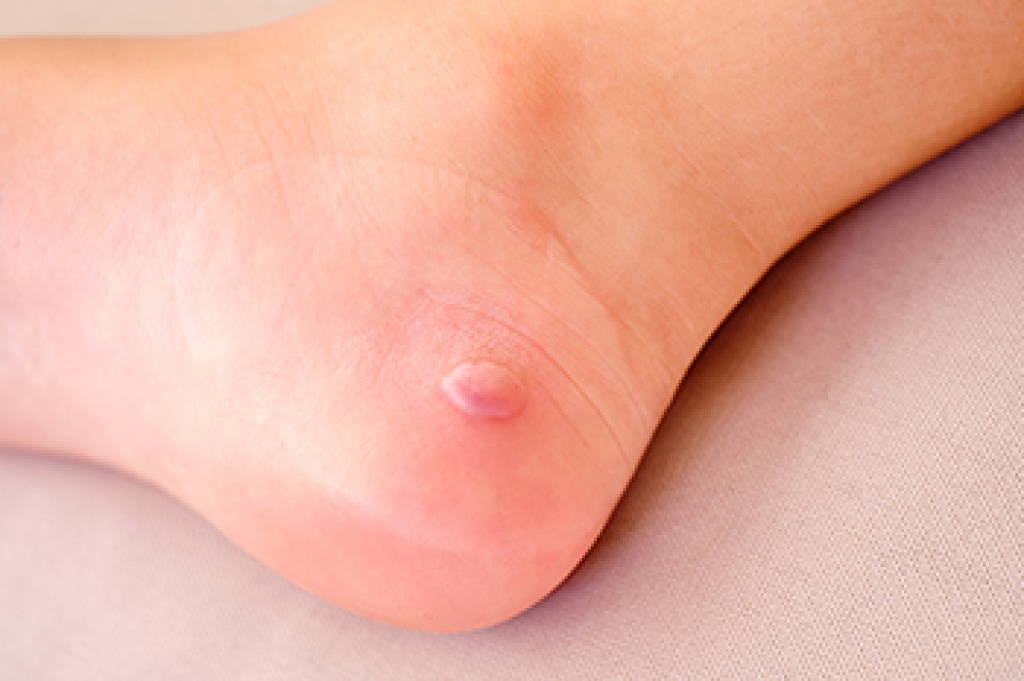
Blisters develop when repeated friction or pressure causes the upper layers of the skin to separate. The space between the layers fills with fluid, creating a small pocket that protects the damaged skin underneath. Blisters frequently appear on the heels, toes, or the balls of the feet. Wearing shoes that are too tight or shoes that lack proper support can increase friction and lead to blister formation. Long periods of activity, moisture, and foot deformities also can increase the risk. Symptoms include a raised area filled with clear fluid, tenderness, and pain while walking. Some blisters can break open, leaving the skin exposed and increasing the chance of infection. Patients with diabetes or poor circulation should receive prompt evaluation because even a small blister can become a serious foot problem.

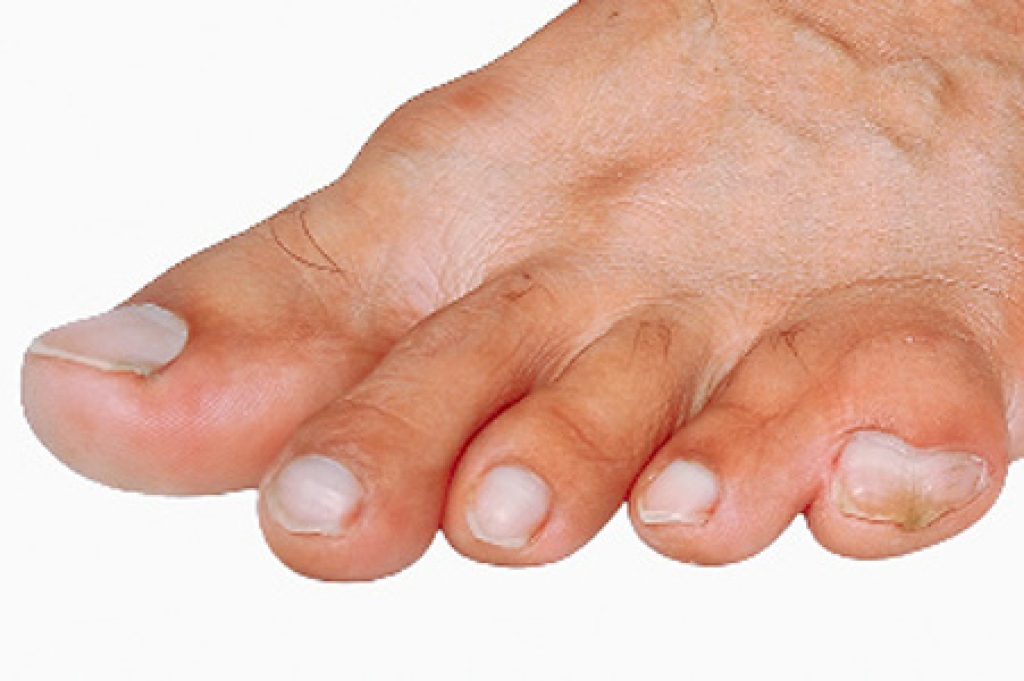
A podiatrist performs a thorough examination to determine the cause of the blister and whether signs of infection are present. The evaluation includes checking the size and location of the blister, the condition of the surrounding skin, and the overall health of the foot. The podiatrist also looks for foot conditions, like bunions or hammertoes, that increase pressure and friction. Identifying the underlying cause is important because blisters are likely to return when the source of the problem is not corrected. Patients with repeated blisters can benefit from a complete foot evaluation to improve comfort and reduce future injuries.

Treatment focuses on protecting the skin while reducing pressure on the affected area. A podiatrist can safely drain a large or painful blister when necessary while preserving the healthy skin that covers it. Care also includes custom orthotics that improve foot alignment and distribute pressure more evenly. The podiatrist can recommend shoes that fit properly and provide good support to reduce friction while walking. Patients with infected blisters or deeper skin injuries receive prompt treatment to protect foot health and prevent complications. If you have symptoms of blisters, it is suggested that you schedule an appointment with a podiatrist for diagnosis and treatment.

Blisters are prone to making everyday activities extremely uncomfortable. If your feet are hurting, contact Timothy Gauldin, DPM of Toe-tal Foot Care. Our practitioner can provide the care you need to keep you pain-free and on your feet.

Foot Blisters

Foot blisters develop as a result of constantly wearing tight or ill-fitting footwear. This happens due to the constant rubbing from the shoe, which can often lead to pain.

What Are Foot Blisters?

A foot blister is a small fluid-filled pocket that forms on the upper-most layer of the skin. Blisters are filled with clear fluid and can lead to blood drainage or pus if the area becomes infected.

How Do Blisters Form?

Blisters on the feet are often the result of constant friction of skin and material, usually by shoe rubbing. Walking in sandals, boots, or shoes that don’t fit properly for long periods of time can result in a blister. Having consistent foot moisture and humidity can easily lead to blister formation.

Prevention & Treatment

It is important to properly care for the affected area in order to prevent infection and ease the pain. Do not lance the blister and use a Band-Aid to provide pain relief. Also, be sure to keep your feet dry and wear proper fitting shoes. If you see blood or pus in a blister, seek assistance from a podiatrist.

If you have any questions, please feel free to contact our office located in Hot Springs, AR . We offer the newest diagnostic and treatment technologies for all your foot care needs.
Read more about Blisters on the Feet

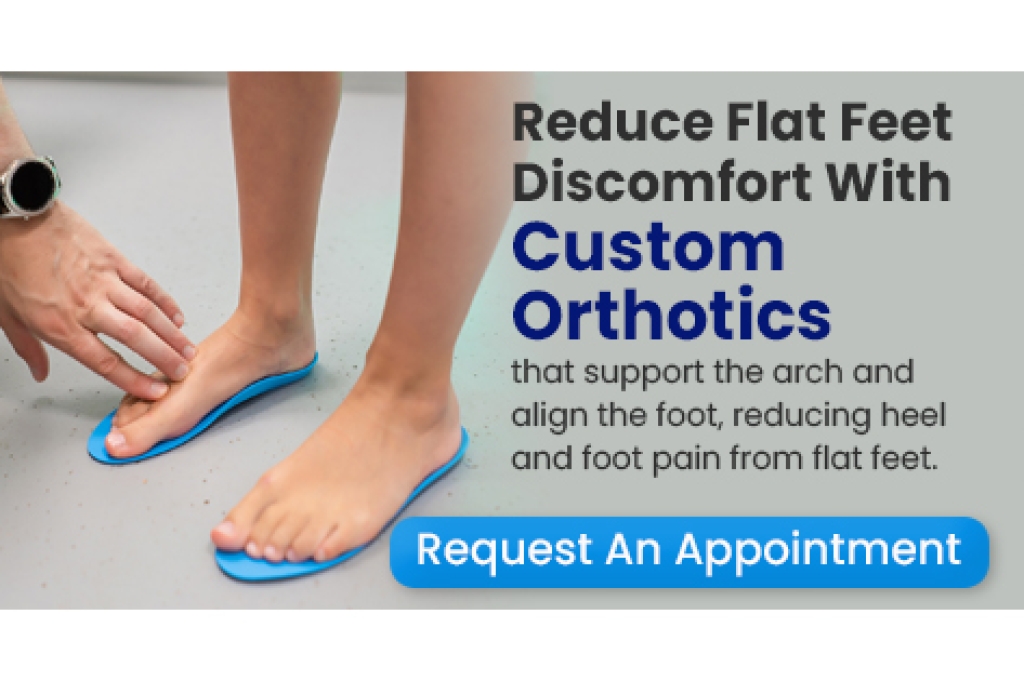
Reduce Flat Feet Discomfort With Custom Orthotics

Flat feet? Rise above the discomfort with Custom Orthotics. Specifically designed to support the arch and align the foot, Custom Orthotics can be a game-changer for those with flat feet. They help in distributing weight evenly, preventing undue stress and potential pain. Walk, run, or stand with newfound confidence, knowing your feet have the support they've been missing. Want to explore the benefits of Custom Orthotics tailored for flat feet? Contact us today!

Athlete’s Foot Causes and How It Spreads

Athlete’s foot is a common fungal infection that affects the skin of the feet, especially between the toes. It is caused by dermatophyte fungi that thrive in warm, moist environments. This condition is highly contagious until treated with antifungal drugs, making early detection important. Athlete's foot can spread quickly through direct contact or by touching contaminated surfaces, which is why proper hygiene plays a critical role in prevention and recovery.

Symptoms of athlete’s foot often begin with itchy feet and may progress to redness, scaling, and peeling skin. Some individuals experience burning sensations, cracking, or discomfort when walking. In more advanced cases, blisters or sores may develop, increasing the risk of secondary infection. Symptoms tend to worsen in enclosed footwear where moisture is trapped, creating an ideal environment for fungal growth.


The infection spreads through shared surfaces such as locker room floors, public showers, and pool areas. It can also transfer through shared towels, shoes, and even contact with pets that carry fungal organisms. Wearing damp socks or tight shoes can further increase exposure and allow the fungus to grow. These factors make athlete's foot a persistent condition if not addressed properly.


Risk factors include excessive sweating, use of non-breathable footwear, and frequent exposure to communal areas. Individuals who are active or spend long hours in shoes are more susceptible. Keeping feet clean and dry is essential in reducing risk. If you have symptoms of athlete’s foot, it is suggested that you consult a podiatrist for effective relief and treatment solutions, which may include prescribed medication.

Athlete’s Foot

Athlete’s foot is often an uncomfortable condition to experience. Thankfully, podiatrists specialize in treating athlete’s foot and offer the best treatment options. If you have any questions about athlete’s foot, consult with Timothy Gauldin, DPM from Toe-tal Foot Care. Our practitioner will assess your condition and provide you with quality treatment.

What Is Athlete’s Foot?

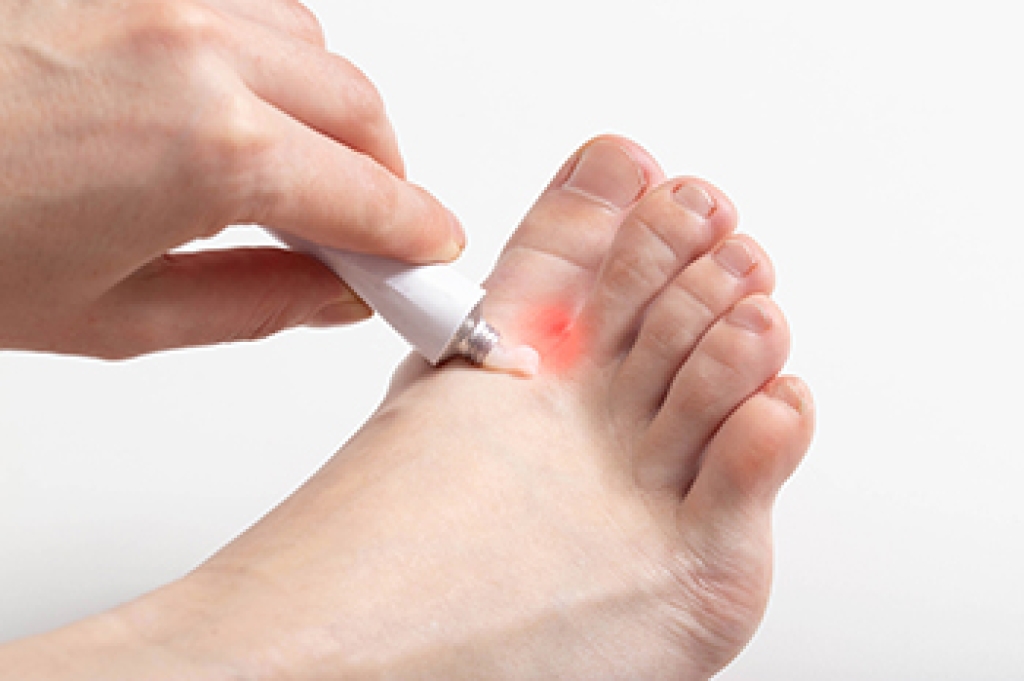
Tinea pedis, more commonly known as athlete’s foot, is a non-serious and common fungal infection of the foot. Athlete’s foot is contagious and can be contracted by touching someone who has it or infected surfaces. The most common places contaminated by it are public showers, locker rooms, and swimming pools. Once contracted, it grows on feet that are left inside moist, dark, and warm shoes and socks.

Prevention

The most effective ways to prevent athlete’s foot include:

  • Thoroughly washing and drying feet
  • Avoid going barefoot in locker rooms and public showers
  • Using shower shoes in public showers
  • Wearing socks that allow the feet to breathe
  • Changing socks and shoes frequently if you sweat a lot

Symptoms

Athlete’s foot initially occurs as a rash between the toes. However, if left undiagnosed, it can spread to the sides and bottom of the feet, toenails, and if touched by hand, the hands themselves. Symptoms include:

  • Redness
  • Burning
  • Itching
  • Scaly and peeling skin

Diagnosis and Treatment

Diagnosis is quick and easy. Skin samples will be taken and either viewed under a microscope or sent to a lab for testing. Sometimes, a podiatrist can diagnose it based on simply looking at it. Once confirmed, treatment options include oral and topical antifungal medications.

If you have any questions, please feel free to contact our office located in Hot Springs, AR . We offer the newest diagnostic and treatment technologies for all your foot care needs.
Read more about How to Deal with Athlete's Foot

Foot Orthotics and Their Benefits

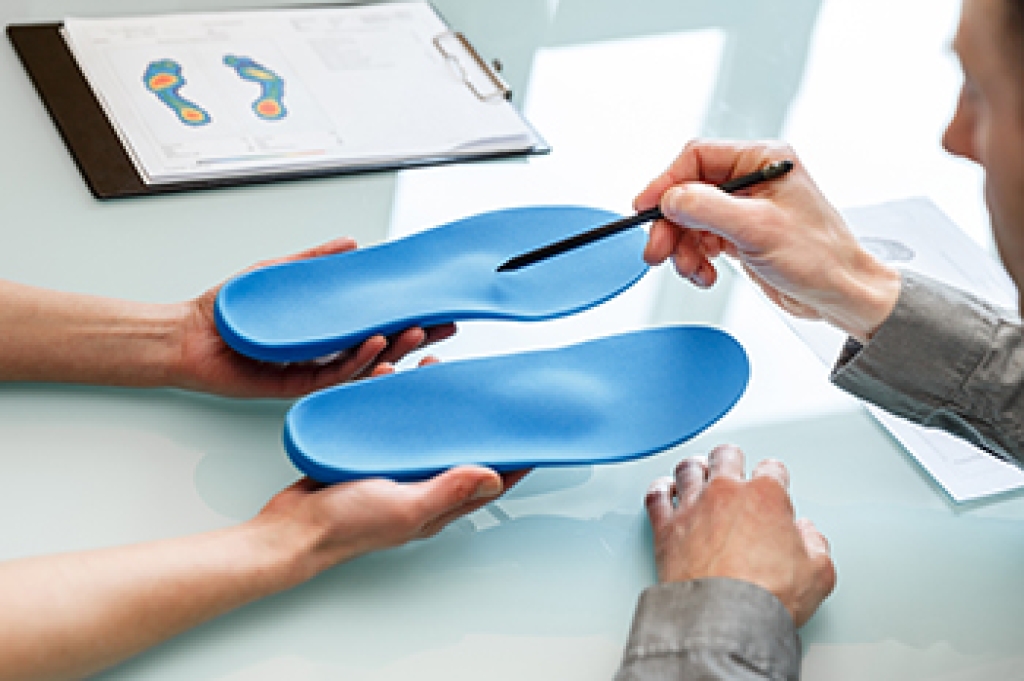
Foot orthotics are supportive devices placed inside shoes to improve foot function, alignment, and comfort during daily activities. They are designed to reduce strain on the feet while providing stability and shock absorption with each step. There are several types of orthotics, including off-the-shelf options that offer general support, functional orthotics that guide movement and control abnormal motion, and custom molded total contact orthotics that are made specifically to match the shape of an individual foot. These devices can help address pain related to poor alignment, overuse, or structural concerns. A podiatrist can evaluate foot mechanics and recommend the most appropriate orthotic based on specific needs. With proper guidance, orthotics can improve balance and reduce discomfort over time. If you have foot pain, it is suggested that you consult a podiatrist who can discuss the benefits of wearing custom made orthotics with you.

Custom orthotics can be an important solution for reducing foot pain by targeting its structural causes rather than just the symptoms. When the feet are misaligned, excess strain develops in the muscles, tendons, and ligaments, often resulting in discomfort in the arches, balls of the feet, or toes. Orthotics are designed to match each foot’s natural shape, supporting proper alignment and evenly distributing pressure to ease pain and improve movement.

Foot pain is commonly caused by overuse, wearing improper footwear, or biomechanical issues that place added stress on sensitive areas. By stabilizing the foot and restoring natural motion, custom orthotics help reduce strain, calm inflammation, and promote healing. Many patients experience lasting relief and greater comfort while walking, standing, or exercising.

Created from a detailed assessment using advanced imaging or casting, each pair of orthotics is tailored to your individual needs. If you are experiencing ongoing foot pain, it is suggested that you contact our office for an evaluation and treatment.

If you have any questions, please feel free to contact our office located in Hot Springs, AR .

Read more about Sole Marketing Life Impact

Choosing the Best Shoes for Your Child's Growing Feet

Choosing the right shoes for a child is a great way to support healthy foot development and promote comfort while walking, running, and playing. Children's feet are still growing, and the bones, muscles, and ligaments are not fully developed. Many toddlers have flat-looking feet when they first begin walking because a layer of fat hides the arch. This is usually a normal part of growth. Shoes should protect the feet while allowing natural movement. A good shoe includes a comfortable fit, enough room for the toes, and a flexible sole that bends near the front of the foot. The shoe should also have a secure fastening system, such as laces or straps, to help keep the foot stable inside the shoe.

As children become more active, shoes that fit properly become even more important. Shoes that are too tight can lead to discomfort and can contribute to problems like ingrown toenails. Shoes that are too loose can affect balance and increase the risk of tripping. Children's feet grow quickly, and changes in size can occur within a relatively short period. Some children also walk with their feet turned inward or outward during early childhood. In many cases, these walking patterns improve as strength, posture, and coordination develop. However, severe changes in walking patterns or symptoms that affect only one leg deserve professional evaluation. A podiatrist can assess foot structure, walking patterns, and shoe fit to determine whether treatment is needed.

Parents should also watch for signs that a child may be experiencing a foot problem. Warning signs include foot or heel pain, limping, or stiffness. Other concerns include persistent flat feet that limit activity, unusually shaped toes, or difficulty keeping up with other children while walking or running. A podiatrist can examine the feet, identify the cause of symptoms, and recommend appropriate treatment. Professional guidance can also help parents choose shoes that support healthy growth and comfortable movement. If your child has foot pain or if you need help in managing your child's foot health, it is suggested that you schedule an appointment with a podiatrist.

Making sure that your children maintain good foot health is very important as they grow. If you have any questions, contact Timothy Gauldin, DPM of Toe-tal Foot Care. Our practitioner can provide the care you need to keep you pain-free and on your feet.

Keeping Children's Feet Healthy

Having healthy feet during childhood can help prevent medical problems later in life, namely in the back and legs. As children grow, their feet require different types of care. Here are some things to consider...

Although babies do not walk yet, it is still very important to take care of their feet.

Avoid putting tight shoes or socks on his or her feet.

Allow the baby to stretch and kick his or her feet to feel comfortable.

As a toddler, kids are now on the move and begin to develop differently. At this age, toddlers are getting a feel for walking, so don’t be alarmed if your toddler is unsteady or ‘walks funny’. 

As your child gets older, it is important to teach them how to take care of their feet.

Show them proper hygiene to prevent infections such as fungus.

Be watchful for any pain or injury.

Have all injuries checked by a doctor as soon as possible.

Comfortable, protective shoes should always be worn, especially at play.

If you have any questions, please feel free to contact our office located in Hot Springs, AR . We offer the newest diagnostic and treatment technologies for all your foot care needs.
Read more about How to Care for Your Child's Feet