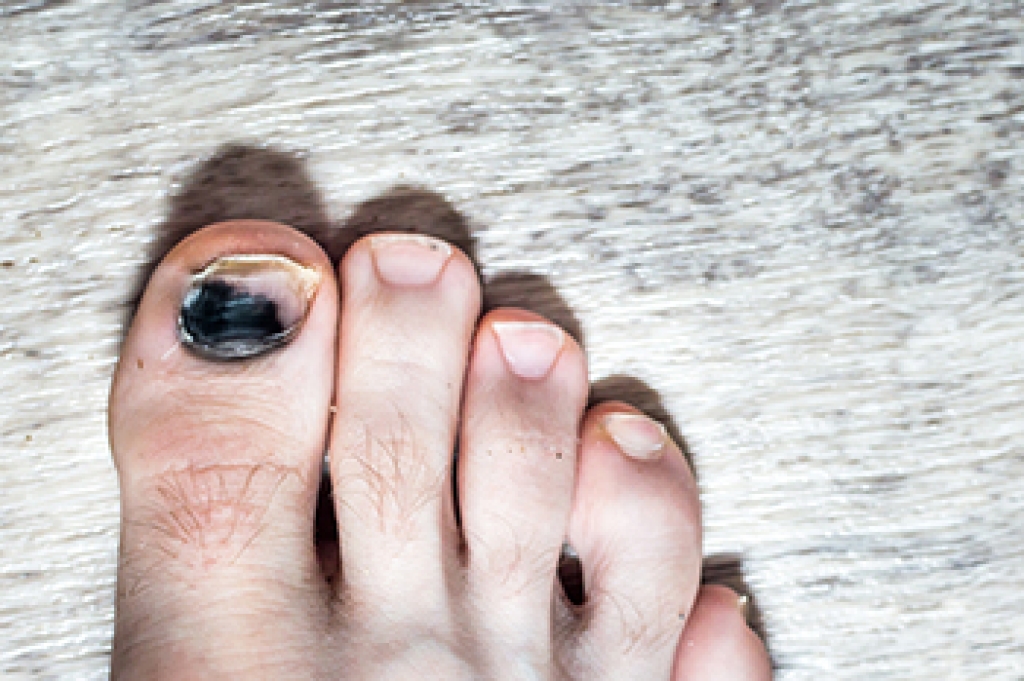
When a Black Toenail Needs a Podiatrist’s Attention

A black toenail can develop when blood, debris, or pigment collects beneath or within the nail. Repeated pressure from wearing tight shoes can injure the toe, especially while running or hiking. A dropped object can also break tiny blood vessels under the nail and cause sudden pain, swelling, and dark color. Fungal infections sometimes thicken the nail and create debris that makes it look black. Natural pigment changes can produce dark streaks, particularly in people with darker skin. Less frequently, a black nail can point to diabetes, kidney disease, or heart disease. It can also be a sign of melanoma, a serious form of skin cancer.

A podiatrist should examine a black toenail when its cause is unclear. An exam is also needed if the nail changes shape or discoloration does not grow out naturally. The podiatrist can determine whether discoloration comes from trapped blood, infection, or pigment. Testing a small nail sample can help confirm fungus. A tissue sample may be examined when the dark area has features linked to melanoma. Prompt evaluation is especially important when discoloration spreads onto nearby skin, if pain becomes intense, or if drainage develops. 

A podiatrist can make a tiny opening in an injured nail to release trapped blood and ease pressure. The doctor can remove damaged nail material or treat an infection. Suspicious pigment changes can be tested, and care with a skin-cancer specialist can be arranged. To reduce injury risk, choose well-fitting shoes with enough toe room and proper support. Keep toenails trimmed straight across. Protective shoes can help when work creates a risk of heavy objects falling on the feet. Regular foot checks make new color changes easier to notice. If you have toenails that appear black or discolored, it is suggested that you schedule an appointment with a podiatrist for a diagnosis and appropriate treatment.

Toe pain can disrupt your daily activities. If you have any concerns, contact Timothy Gauldin, DPM of Toe-tal Foot Care. Our practitioner can provide the care you need to keep you pain-free and on your feet.

What Causes Toe Pain?

Most severe toe pain is caused due to a sports injury, trauma from dropping something heavy on the toe, or bumping into something rigid. Other problems can develop over time for various reasons.

Toe pain can be caused by one or more ailments. The most common include:

  • Trauma
  • Sports injury
  • Wearing shoes that are too tight
  • Arthritis
  • Gout
  • Corns and calluses
  • Hammertoe
  • Bunions
  • Blisters
  • Ingrown toenails
  • Sprains
  • Fractures (broken bones)
  • Dislocations

When to See a Podiatrist

  • Severe pain
  • Persistent pain that lasts more than a week
  • Signs of infection
  • Continued swelling
  • Pain that prevents walking

Diagnosis

In many cases the cause of toe pain is obvious, but in others, a podiatrist may want to use more advanced methods to determine the problem. These can range from simple visual inspections and sensation tests to X-rays and MRI scans. Prior medical history, family medical history, and any recent physical traumatic events will all be taken into consideration for a proper diagnosis.

Treatment

Treatments for toe pain and injuries vary and may include shoe inserts, padding, taping, medicines, injections, and in some cases, surgery. If you believe that you have broken a toe, please see a podiatrist as soon as possible.

If you have any questions please contact our office located in Hot Springs, AR . We offer the newest diagnostic and treatment technologies for all your foot and ankle needs.

Read more about Toe Pain

How a Podiatrist Treats a Broken Ankle

A broken ankle occurs when one or more bones in the ankle joint fracture. The ankle supports the body’s weight and handles strong forces while walking, running, and jumping. A fracture can follow a fall, sports injury, or forceful twist. Symptoms can include immediate pain, swelling, and bruising. Tenderness and difficulty putting weight on the injured ankle are also possible. Some patients can still walk with a fracture, so being able to take steps does not always rule out a broken bone.

Ankle fractures can range from stable breaks to injuries that leave the joint unstable. A severe injury can also cause the ankle to look deformed. Because fractures and serious sprains can produce similar symptoms, a careful evaluation is important. The ankle contains the tibia, fibula, and talus, and a fracture can affect one or more of these bones. Treatment depends on the location of the break and whether the ankle remains stable. Some fractures require immobilization, while unstable or displaced fractures can require surgery to restore proper alignment.

A podiatrist can evaluate an injured ankle by checking tenderness, swelling, and the ability to put weight on the foot. The examination can also assess the foot for related injuries and signs that circulation or nerves are affected. Imaging can help confirm a suspected fracture and show the position of the broken bone. A podiatrist can determine an appropriate treatment plan based on the injury and ankle stability. Follow-up care can monitor healing, joint movement, and lingering swelling. Proper care is important because complications can include lasting pain, stiffness, and reduced ankle function. If you have symptoms of a broken ankle, it is suggested that you schedule an appointment with a podiatrist for diagnosis and treatment.

Broken ankles need immediate treatment. If you are seeking treatment, contact Timothy Gauldin, DPM from Toe-tal Foot Care. Our practitioner can provide the care you need to keep you pain-free and on your feet. 

Broken Ankles
A broken ankle is experienced when a person fractures their tibia or fibula in the lower leg and ankle area. Both of these bones are attached at the bottom of the leg and combine to form what we know to be our ankle.

When a physician is referring to a break of the ankle, he or she is usually referring to a break in the area where the tibia and fibula are joined to create our ankle joint. Ankles are more prone to fractures because the ankle is an area that suffers a lot of pressure and stress. There are some obvious signs when a person experiences a fractured ankle, and the following symptoms may be present.

Symptoms of a Fractured Ankle

  • Excessive pain when the area is touched or when any pressure is placed on the ankle
  • Swelling around the area
  • Bruising of the area
  • Area appears to be deformed

If you suspect an ankle fracture, it is recommended to seek treatment as soon as possible. The sooner you have your podiatrist diagnose the fracture, the quicker you’ll be on the way towards recovery.

If you have any questions, please feel free to contact our office located in Hot Springs, AR . We offer the newest diagnostic and treatment technologies for all your foot care needs.

Read more about Broken Ankle Causes, Differences, Symptoms and Treatments

Orthotics for Plantar Pressure Relief and Improved Foot Function

Orthotics are specialized shoe inserts designed to support proper foot alignment and improve lower extremity function. They are commonly used to manage foot and ankle conditions, such as plantar fasciitis, tendonitis, flat feet, and high arches. These conditions often develop due to abnormal biomechanics, repetitive stress, or prolonged standing on hard surfaces. Symptoms may include heel pain, arch discomfort, and ankle fatigue. Reduced stability during walking or physical activity is another factor. Orthotics are an effective non-invasive solution that can be customized or selected based on foot structure and specific clinical needs.

The causes of many foot and ankle conditions are linked to poor shock absorption and uneven distribution of pressure across the bottom of the foot. Risk factors include improper footwear, obesity, and high-impact activities. Structural imbalances, such as overpronation or supination, may also contribute. These issues can lead to inflammation, soft tissue strain, and joint stress. Without proper support, symptoms may worsen and affect mobility and overall quality of life. Early intervention with orthotics can help reduce the progression of these conditions.

Orthotics provide several important benefits that support foot health and comfort. They offer shock absorption, which reduces the impact forces transmitted through the feet and ankles during movement. Cushioning helps protect sensitive areas while redistributing plantar pressure to prevent excessive strain on specific regions. Orthotics also assist in correcting and supporting flexible deformities, which improves alignment and promotes a more efficient gait pattern. This support can reduce pain, improve balance, and enhance endurance throughout daily activities.

Consistent use of orthotics can lead to long-term improvements in comfort and function. They are often recommended as part of a comprehensive treatment plan that includes stretching, strengthening, and proper footwear selection. By addressing the underlying mechanical issues, orthotics help prevent recurring symptoms and further injury. If you have foot and ankle conditions that may benefit from orthotics, it is suggested that you consult a podiatrist for an in-depth discussion of management solutions. 

Custom orthotics play an important role in preventing and treating foot and ankle injuries by providing personalized support that aligns with the unique structure of each foot. These specially designed devices help correct biomechanical imbalances, reduce pressure on sensitive areas, and improve stability during movement. When the feet are properly supported, the risk of developing conditions such as plantar fasciitis, Achilles tendinitis, and ankle sprains can be significantly reduced. Custom orthotics also help relieve discomfort caused by having flat feet, high arches, or uneven leg length, which may contribute to recurring injuries or pain.

Foot and ankle injuries can develop gradually from repetitive strain or occur suddenly during physical activity. Without proper treatment, these injuries can affect mobility and overall quality of life. Orthotics work to redistribute weight evenly across the foot, allowing joints and muscles to function more efficiently. This not only supports recovery from injury but can also prevent future problems by promoting better posture and alignment throughout the lower body.

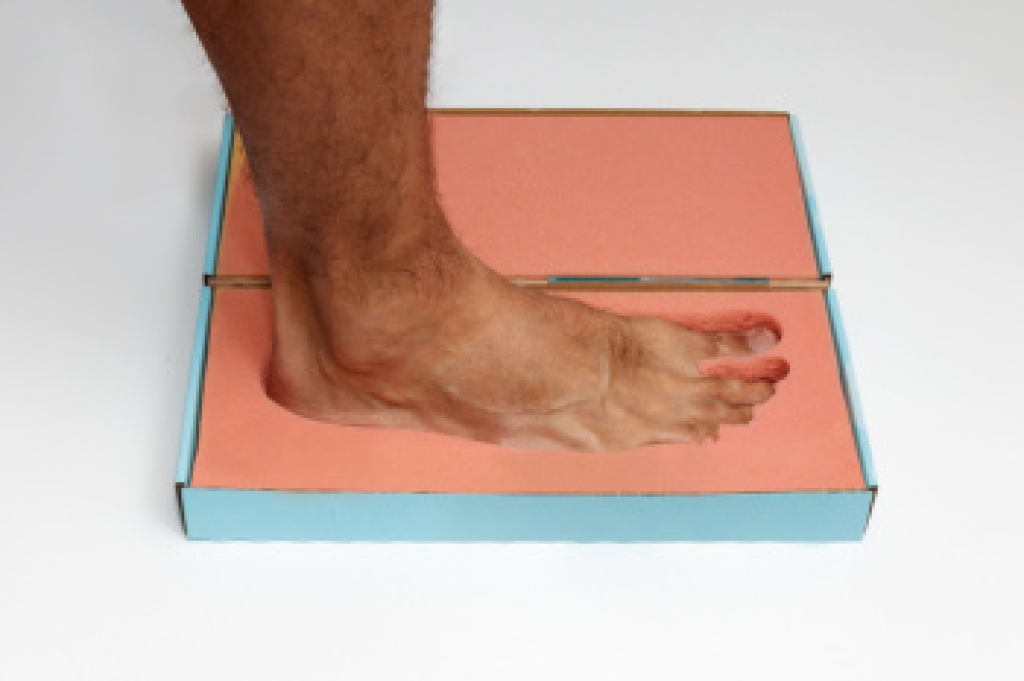
Unlike over-the-counter inserts, custom orthotics are designed based on a detailed evaluation of each patient’s foot structure, gait, and medical needs. Podiatrists use advanced imaging and diagnostic tools to create orthotics that fit precisely and provide targeted correction. Whether used in everyday footwear or athletic shoes, custom orthotics can improve comfort, enhance performance, and support long-term foot health.

If you are experiencing foot or ankle pain or have sustained an injury that has not improved with rest, it is suggested that you schedule an appointment with a podiatrist. Call our office for more information or to make an appointment.

If you have any questions, please feel free to contact our office located in Hot Springs, AR

Read more about Investing in Custom Orthotics Means Investing in Foot Health

Podiatry Care for Obesity-Related Foot Problems

Extra body weight places greater pressure on the feet, making everyday activities more difficult for many older men and women. The feet support the body's weight with every step, so increased loading can affect joints, muscles, ligaments, and other soft tissues. Research shows that higher body weight is linked to a greater chance of foot pain in older adults. It is also associated with problems like hammer toes and claw toes in some patients. Increased pressure beneath the feet can reduce comfort while walking and affect balance, mobility, and overall quality of life. These changes can make it harder to stay active and maintain independence.

A podiatrist evaluates foot structure, walking patterns, and pressure distribution to identify areas experiencing excessive stress. The examination also looks for changes in toe alignment, joint movement, and skin condition that could affect comfort. Treatment includes custom orthotics, footwear recommendations, and care for painful foot conditions that develop because of increased pressure. A podiatrist can also recommend strategies that improve foot function and reduce unnecessary strain while walking. Regular evaluations help monitor changes in foot health and identify problems before they become more difficult to manage. Improving foot support and movement can also make daily activities more comfortable and help maintain mobility.

Foot pain should never be accepted as a normal part of aging or excess body weight. Persistent discomfort can discourage walking and other forms of activity, creating a cycle that further affects health and mobility. Early podiatry care can improve comfort, reduce pressure on sensitive areas, and help patients remain active with greater confidence. Research found that increasing body weight raises the likelihood of foot pain in both older men and women, highlighting the importance of early evaluation and treatment. If you have symptoms of obesity-related foot pain, it is suggested that you schedule an appointment with a podiatrist for diagnosis and treatment.

Obesity has become very problematic at this point in time and can have extremely negative effects on the feet. If you’re an obese individual and are concerned about your feet, contact Timothy Gauldin, DPM from Toe-tal Foot Care. Our practitioner can provide the care you need to keep you pain-free and on your feet.

Obesity and Your Feet

Since your feet are what support your entire weight when standing, any additional weight can result in pain and swelling. Being overweight is one of the main contributors to foot complications.

Problems & Complications

Extra Weight – Even putting on just a few extra pounds could create serious complications for your feet. As your weight increases, your balance and body will shift, creating new stresses on your feet. This uneven weight distribution can cause pain, even while doing the simplest tasks, such as walking.

Diabetes – People who are overweight are at serious risk of developing type-2 diabetes, which has a drastic impact on the health of your feet. As you get older, your diabetes might worsen, which could lead to loss of feeling in your feet, sores, and bruises. You could also become more prone to various infections.

Plantar fasciitis – Pressure and stress that is placed on muscles, joints, and tendons can trigger plantar fasciitis, which is an inflammation of tissue that forms along the bottom of the foot. 

If you have any questions, please feel free to contact our office located in Hot Springs, AR . We offer the newest diagnostic and treatment technologies for all your foot care needs.

Read more about How Obesity Affects Your Feet

Keep Your Feet Healthy So You Can Stay Active

Have your feet inspected by a professional before starting a new sport or physical activity. Taking charge of your foot health will keep you in good physical condition and can help you avoid a potential injury, such as a fracture or sprained ankle.

Prevent injuries and see a foot specialist.