When Foot Cramps Require a Podiatrist Visit

A foot cramp occurs when a muscle suddenly tightens and does not relax. The arch is a frequent location, but cramping can also affect the toes or other parts of the foot. A cramp can feel like a dull ache, a hard knot, or sharp pain. It can last for seconds or several minutes. Some cramps happen after intense exercise because tired muscles can contract without warning. Others develop at night and interrupt sleep. Dehydration is another frequent cause because muscles need enough fluid to work properly. Staying hydrated is important, especially in hot weather or when exercising.

Foot cramps can also develop when the body has an imbalance of minerals that support muscle and nerve function. These minerals include potassium, sodium, and magnesium. Poor circulation can contribute because foot muscles may not receive enough oxygen and nutrients. Nerve damage linked to diabetes or a foot injury can cause cramping. Wearing tight shoes may place pressure on a nerve and worsen symptoms. Pregnancy, kidney disease, and thyroid problems are other causes. A podiatrist can evaluate cramps that are severe, happen frequently, or continue without a clear reason. Weakness, swelling, or skin redness also deserves medical attention.

A podiatrist can review the patient’s health history, activity level, and symptoms. The examination can assess circulation, nerve function, and muscle strength. The podiatrist may examine foot structure and check whether the patient’s shoes fit correctly and provide proper support. Blood tests can identify mineral imbalances or health problems that contribute to cramping. Nerve tests or imaging scans may be recommended when symptoms suggest nerve damage or another foot condition. Treatment depends on the cause and can involve changes in exercise, custom-fitted orthotics, or guidance on choosing better-fitting shoes. If you have frequent foot cramps, it is suggested that you schedule an appointment with a podiatrist for a diagnosis and appropriate treatment.

Foot Pain

Foot pain can be extremely painful and debilitating. If you have a foot pain, consult with Timothy Gauldin, DPM from Toe-tal Foot Care. Our practitioner will assess your condition and provide you with quality foot and ankle treatment.

Causes

Foot pain is a very broad condition that could be caused by one or more ailments. The most common include:

  • Bunions
  • Hammertoes
  • Plantar Fasciitis
  • Bone Spurs
  • Corns
  • Tarsal Tunnel Syndrome
  • Ingrown Toenails
  • Arthritis (such as Gout, Rheumatoid, and Osteoarthritis)
  • Flat Feet
  • Injury (from stress fractures, broken toe, foot, ankle, Achilles tendon ruptures, and sprains)
  • And more

Diagnosis

To figure out the cause of foot pain, podiatrists utilize several different methods. This can range from simple visual inspections and sensation tests to X-rays and MRI scans. Prior medical history, family medical history, and any recent physical traumatic events will all be taken into consideration for a proper diagnosis.

Treatment

Treatment depends upon the cause of the foot pain. Whether it is resting, staying off the foot, or having surgery; podiatrists have a number of treatment options available for foot pain.

If you have any questions, please feel free to contact our office located in Hot Springs, AR . We offer the newest diagnostic and treatment technologies for all your foot care needs.


Read more about Foot Pain

Let the Expert Treat Your Ingrown Toenails

Ingrown toenails can be painful and can make wearing shoes or walking uncomfortable. Seek professional help if you believe you've developed an ingrown toenail and be treated safely. 

Ankle Pain Explained

Ankle pain can make standing, walking, and climbing stairs difficult. The discomfort can develop after an injury, like tripping or rolling the ankle. It can also appear when an existing ankle problem becomes irritated or when muscles surrounding the joint are weak. The ankle contains soft tissues, including ligaments and tendons, that can become injured. Symptoms include pain, swelling, and stiffness. Some people also develop a limp because putting weight on the ankle feels uncomfortable. Pain can spread into the nearby calf or foot, making everyday movement more challenging.

Ankle problems can affect movement and strength, especially after a sprain or other soft-tissue injury. A sprain happens when ankle ligaments are stretched too far and tear. Depending on the injury, the damage can range from a small tear to a complete rupture. An ankle that is misshapen or difficult to bear weight on can signal a more serious problem. Significant swelling, redness, or heat around the ankle also deserves prompt attention. Returning to normal movement safely is important because ankle strength and joint stability support balance. A podiatrist can determine which structures are contributing to the pain.

A podiatrist can examine the ankle, review how the injury happened, and assess the patient's walking pattern. The evaluation can also identify limited joint movement or weakness that places extra strain on the ankle. Treatment can focus on restoring comfortable motion, improving stability, and supporting proper foot mechanics. A podiatrist can recommend supportive devices when appropriate, and guide a safe return to normal activities. Addressing ankle pain can help reduce problems with walking and lower the chance of repeated injury. Persistent or worsening symptoms should be evaluated rather than ignored. If you have ankle pain, it is suggested that you schedule an appointment with a podiatrist for a diagnosis and appropriate treatment.

Ankle pain can have many different causes and the pain may potentially be serious. If you have ankle pain, consult with Timothy Gauldin, DPM from Toe-tal Foot Care. Our practitioner will assess your condition and provide you with quality foot and ankle treatment.

Ankle pain is any condition that causes pain in the ankle. Due to the fact that the ankle consists of tendons, muscles, bones, and ligaments, ankle pain can come from a number of different conditions.

Causes

The most common causes of ankle pain include:

  • Types of arthritis (rheumatoid, osteoarthritis, and gout)
  • Ankle sprains
  • Broken ankles
  • Achilles tendinitis
  • Achilles tendon rupture
  • Stress fractures
  • Tarsal tunnel syndrome
  • Plantar fasciitis

Symptoms

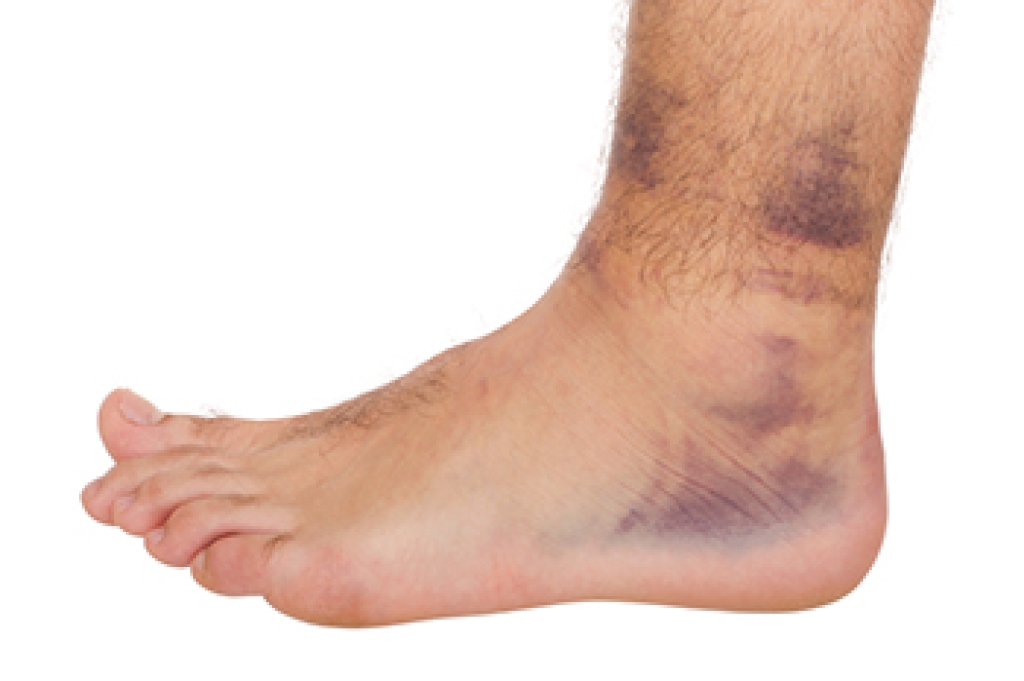
Symptoms of ankle injury vary based upon the condition. Pain may include general pain and discomfort, swelling, aching, redness, bruising, burning or stabbing sensations, and/or loss of sensation.

Diagnosis

Due to the wide variety of potential causes of ankle pain, podiatrists will utilize a number of different methods to properly diagnose ankle pain. This can include asking for personal and family medical histories and of any recent injuries. Further diagnosis may include sensation tests, a physical examination, and potentially x-rays or other imaging tests.

Treatment

Just as the range of causes varies widely, so do treatments. Some more common treatments are rest, ice packs, keeping pressure off the foot, orthotics and braces, medication for inflammation and pain, and surgery.

If you have any questions please feel free to contact our office located in Hot Springs, AR . We offer the newest diagnostic tools and technology to treat your foot and ankle needs.

Read more about Ankle Pain

Common Causes and Types of Ankle Sprains

An ankle sprain affects the ligaments of the ankle, which are responsible for maintaining joint stability and alignment. This injury occurs when the ligaments are overstretched or torn due to excessive force or abnormal movement. Ankle sprains are frequently seen in both athletes and individuals performing daily activities. The injury can range from mild to severe, and may impact mobility and overall function if not managed properly. Understanding how ankle sprains develop can help individuals take preventive steps.

Symptoms often include swelling, pain, and difficulty walking. Some individuals may notice stiffness or a reduced ability to move the ankle comfortably. The causes of ankle sprains typically involve sudden twisting motions, missteps, or loss of balance. Risk factors include uneven walking surfaces, and weak or unstable joints. Individuals with a history of ankle injuries may also be more prone to recurring sprains. High risk factors include intense sports participation and lack of proper ankle support during movement.


There are different types of ankle sprains that affect specific ligaments. An inversion sprain is the most common and occurs when the foot rolls inward, placing strain on the outer ligaments. An eversion sprain is less common and involves the foot turning outward, affecting the inner ligaments. Additionally, a high ankle sprain involves the ligaments above the ankle joint and is often caused by a twisting motion combined with upward force. Sprains are also graded by severity. Grade one involves mild stretching, grade two includes partial tearing, and grade three reflects a complete ligament tear with significant instability.


Proper diagnosis and treatment are essential for restoring function and preventing chronic issues.  Supportive footwear and a gradual return to activity can aid recovery. Taking early action can improve healing outcomes and reduce complications. If you have sprained your ankle, it is suggested that you consult a podiatrist for effective relief and treatment solutions.

Ankle sprains are common but need immediate attention. If you need your feet checked, contact Timothy Gauldin, DPM from Toe-tal Foot Care. Our practitioner can provide the care you need to keep you pain-free and on your feet.

How Does an Ankle Sprain Occur?

Ankle sprains take place when the ligaments in your ankle are torn or stretched beyond their limits. There are multiple ways that the ankle can become injured, including twisting or rolling over onto your ankle, putting undue stress on it, or causing trauma to the ankle itself.

What Are the Symptoms?

  • Mild to moderate bruising
  • Limited mobility
  • Swelling
  • Discoloration of the skin (depending on severity)

Preventing a Sprain

  • Wearing appropriate shoes for the occasion
  • Stretching before exercises and sports
  • Knowing your limits

Treatment of a Sprain

Treatment of a sprain depends on the severity.  Many times, people are told to rest and remain off their feet completely, while others are given an air cast. If the sprain is very severe, surgery may be required.

If you have suffered an ankle sprain previously, you may want to consider additional support such as a brace and regular exercises to strengthen the ankle.

If you have any questions please feel free to contact our office located in Hot Springs, AR . We offer the newest diagnostic tools and technology to treat your foot and ankle needs.

Read more about Ankle Sprains