Top 5 Benefits of Custom Orthotics

Discover the long-term benefits of orthotics! Tailored to your unique foot structure, Custom Orthotics ensure every step radiates comfort and helps reduce foot and heel pain. Beyond comfort, they enhance your posture, allowing you to stand taller and walk with confidence. Whether you're casually strolling or actively running, they can elevate your performance. Call our office today and see if Custom Orthotics are right for you.

Struggling with Diabetic Foot Ulcers?

By offering treatments such as Hyperbaric Oxygen Therapy, Debridement, Offloading, Specialty Dressings, and more, we provide not just hope but a comprehensive approach to healing for those suffering from non-healing foot and leg wounds. 

See if advanced wound care is right for you - Request an appointment today!

Helping Children With Ingrown Toenails

Ingrown toenails are common in children and can cause surprising discomfort. This problem occurs when the edge of the nail grows into the surrounding skin. Wearing tight shoes, improper nail trimming, and sports injuries are frequent causes. Early signs include redness, swelling, and tenderness along the nail border. If bacteria enter the area, drainage and increased pain may develop. Treatment depends on how advanced the condition is. Mild cases may improve with warm water soaks, gentle lifting of the nail edge, and wearing wider shoes. It is important to trim nails straight across rather than rounding the corners. When infection or severe pain is present, a podiatrist may carefully remove a portion of the nail to relieve pressure and allow healing. Prompt care prevents complications and helps children return to normal activities quickly. If your child has ongoing toe pain or signs of infection, it is suggested that you see a podiatrist for a proper diagnosis and appropriate treatment.

Ingrown toenails may initially present themselves as a minor discomfort, but they may progress into an infection in the skin without proper treatment. For more information about ingrown toenails, contact Timothy Gauldin, DPM of Toe-tal Foot Care. Our practitioner can provide the care you need to keep you pain-free and on your feet.

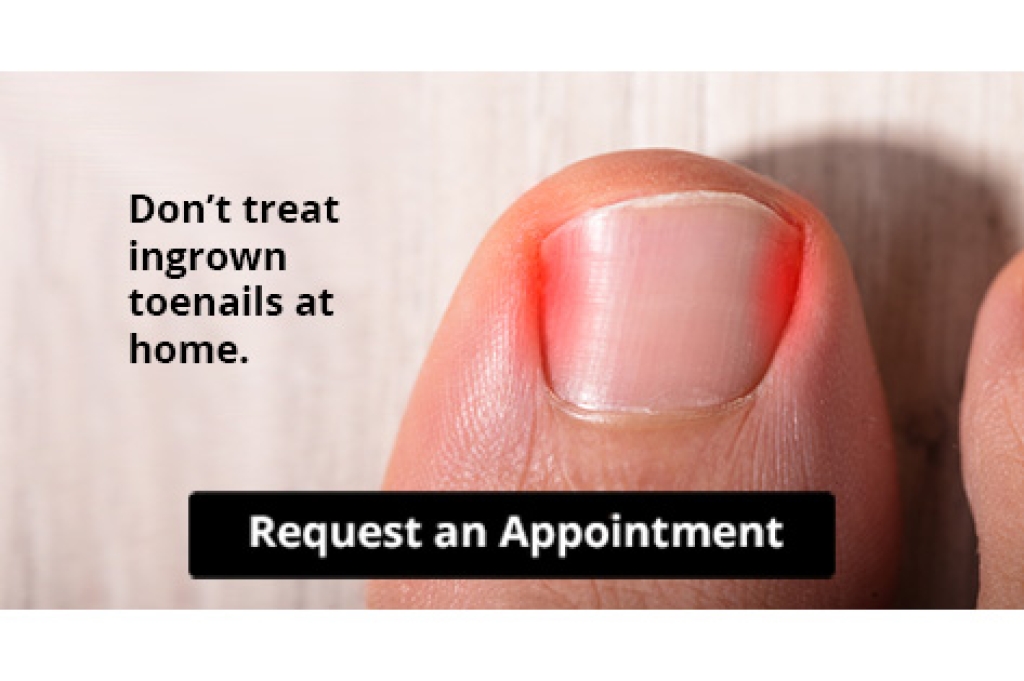
Ingrown Toenails

Ingrown toenails are caused when the corner or side of a toenail grows into the soft flesh surrounding it. They often result in redness, swelling, pain, and in some cases, infection. This condition typically affects the big toe and may recur if it is not treated properly.

Causes

  • Improper toenail trimming
  • Genetics
  • Improper shoe fitting
  • Injury from pedicures or nail picking
  • Abnormal gait
  • Poor hygiene

You are more likely to develop an ingrown toenail if you are obese, have diabetes, arthritis, or have any fungal infection in your nails. Additionally, people who have foot or toe deformities are at a higher risk of developing an ingrown toenail.

Symptoms

Some symptoms of ingrown toenails are redness, swelling, and pain. In rare cases, there may be a yellowish drainage coming from the nail.

Treatment

Ignoring an ingrown toenail can have serious complications. Infections of the nail border can progress to a deeper soft-tissue infection, which can then turn into a bone infection. You should always speak with your podiatrist if you suspect you have an ingrown toenail, especially if you have diabetes or poor circulation.

If you have any questions, please feel free to contact our office located in Hot Springs, AR . We offer the newest diagnostic and treatment technologies for all your foot care needs.
Read more about Ingrown Toenails

Supporting Recovery With Post‑Op Orthoses

After foot or ankle surgery, the body needs support while healing and adjusting to changes from the procedure. Swelling, altered walking patterns, or uneven weight on the feet can cause discomfort, stiffness, or soreness in the foot, ankle, or lower leg. Some people notice pain when standing, difficulty walking normally, or extra stress on the opposite foot or joints because the body is adapting to a new way of moving. Orthotics, called post‑op orthoses, are specially designed shoe inserts that help support proper alignment and reduce strain on healing tissues. These orthotics can help guide the foot through smoother motion, support balance, and reduce stress on areas that may be sensitive after surgery. Orthotics can help improve how the foot and lower limb function while the body adjusts and heals. If you have recently had surgery or have an upcoming surgery, it is suggested that you schedule an evaluation with a podiatrist to discuss how orthotics may benefit you. 

Custom orthotics are specialized shoe inserts created to support and align the feet according to each person’s unique structure and walking pattern. They are an effective way to relieve foot discomfort caused by conditions such as flat feet, high arches, plantar fasciitis, bunions, and heel pain. When the natural alignment of the foot is off balance, it can lead to pressure points, strain, and pain that affect how a person stands, walks, and moves. Orthotics work by redistributing weight evenly and supporting the arch to reduce stress on the muscles, tendons, and joints of the feet and lower legs.

Foot discomfort can develop for many reasons, including wearing improper footwear, long hours of standing, repetitive motion, or underlying structural problems. Over time, this discomfort can extend beyond the feet, contributing to knee, hip, or lower back pain. Custom orthotics help correct these issues by improving alignment and promoting more efficient movement. They are made using precise measurements and imaging to ensure the best fit for each patient, providing targeted support and cushioning where it is needed most.

Unlike generic insoles, custom orthotics are durable, medically designed, and tailored to your specific needs. Whether you are managing chronic pain, recovering from an injury, or simply seeking better comfort and stability, orthotics can make a noticeable difference in how your feet feel throughout the day.

If you are experiencing persistent foot discomfort or fatigue, it may be time to have your feet evaluated by a podiatrist. Call our office today for more information or to schedule an appointment.

If you have any questions, please feel free to contact our office located in Hot Springs, AR

Read more about Sole Marketing and Heel Pain

Managing an Achilles Tendon Rupture

An Achilles tendon rupture is a serious injury that affects walking, balance, and push-off strength. Management depends on the patient’s health, activity level, and how well the tendon ends line up. Conservative care may be recommended for some individuals, and usually involves immobilization in a boot or cast, followed by gradual motion and strengthening. This approach avoids surgery but requires careful protection and guided rehabilitation. Surgical repair may be advised for others, especially when the tendon has pulled far apart or when higher strength and function are desired. Surgery reconnects the tendon to restore tension and support healing, followed by structured rehabilitation. Both approaches aim to regain strength, flexibility, and a safe return to activity. Early diagnosis and proper treatment planning are key to good outcomes. If sudden heel pain, weakness, or difficulty pushing off occurs, it is suggested that you see a podiatrist for evaluation and guidance.

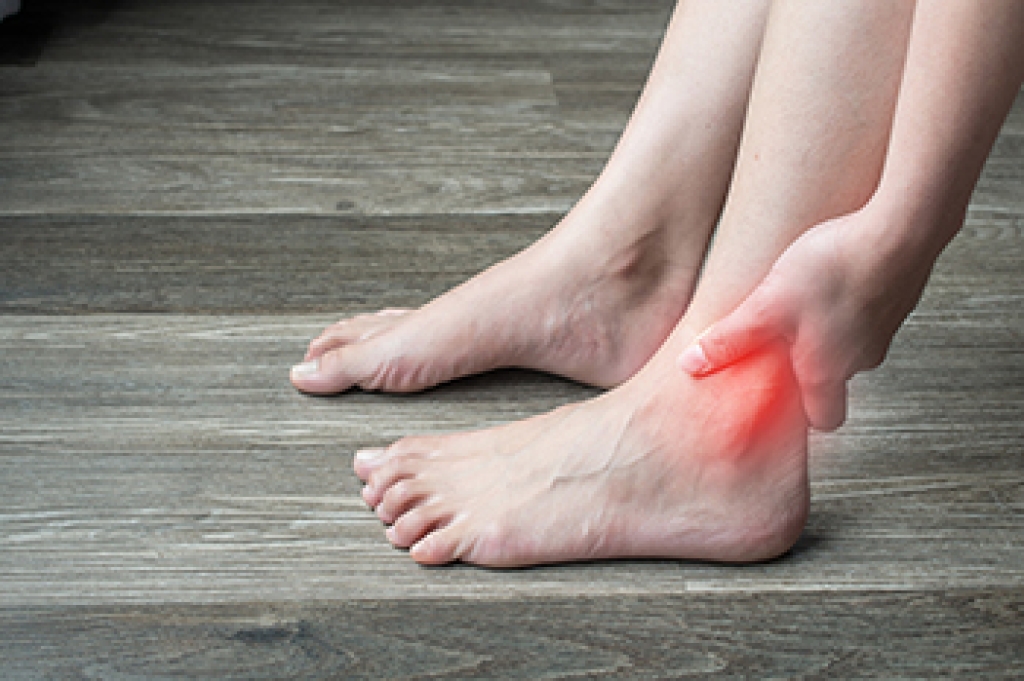
Achilles tendon injuries need immediate attention to avoid future complications. If you have any concerns, contact Timothy Gauldin, DPM of Toe-tal Foot Care. Our practitioner can provide the care you need to keep you pain-free and on your feet.

What Is the Achilles Tendon?

The Achilles tendon is a tendon that connects the lower leg muscles and calf to the heel of the foot. It is the strongest tendon in the human body and is essential for making movement possible. Because this tendon is such an integral part of the body, any injuries to it can create immense difficulties and should immediately be presented to a doctor.

What Are the Symptoms of an Achilles Tendon Injury?

There are various types of injuries that can affect the Achilles tendon. The two most common injuries are Achilles tendinitis and ruptures of the tendon.

Achilles Tendinitis Symptoms

  • Inflammation
  • Dull to severe pain
  • Increased blood flow to the tendon
  • Thickening of the tendon

Rupture Symptoms

  • Extreme pain and swelling in the foot
  • Total immobility

Treatment and Prevention

Achilles tendon injuries are diagnosed by a thorough physical evaluation, which can include an MRI. Treatment involves rest, physical therapy, and in some cases, surgery. However, various preventative measures can be taken to avoid these injuries, such as:

  • Thorough stretching of the tendon before and after exercise
  • Strengthening exercises like calf raises, squats, leg curls, leg extensions, leg raises, lunges, and leg presses

If you have any questions please feel free to contact our office located in Hot Springs, AR . We offer the newest diagnostic tools and technology to treat your foot and ankle needs.

Read more about What are Achilles Tendon Injuries