Blog
Items filtered by date: January 2026
Dealing With Gout
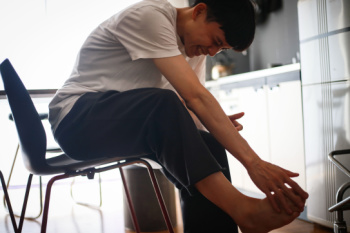
Gout is a painful form of inflammatory arthritis that affects men more often, frequently appearing in the big toe or forefoot. It is caused by elevated uric acid levels that form sharp crystals inside the joint. The affected area may look red, swollen, and warm, with skin that appears tight or inflamed. It often feels like sudden intense pain, burning, or extreme tenderness, sometimes starting at night and making walking difficult. Causes include genetics, kidney issues, and diets high in purines such as red meat and seafood, which are more common risk factors in men. A podiatrist can help from the start by evaluating symptoms, confirming the diagnosis through examination, imaging, and lab coordination when needed. Treatment may begin with inflammation and pain management, and activity modification, then move into long-term control, education, and prevention strategies. It is suggested that if you are experiencing sudden joint pain in the foot to schedule an appointment with a podiatrist for effective relief and management tips.
Gout is a painful condition that can be treated. If you are seeking treatment, contact Timothy Gauldin, DPM from Toe-tal Foot Care. Our practitioner will treat your foot and ankle needs.
What Is Gout?
Gout is a form of arthritis that is characterized by sudden, severe attacks of pain, redness, and tenderness in the joints. The condition usually affects the joint at the base of the big toe. A gout attack can occur at any random time, such as the middle of the night while you are asleep.
Symptoms
- Intense Joint Pain - Usually around the large joint of your big toe, and it most severe within the first four to twelve hours
- Lingering Discomfort - Joint discomfort may last from a few days to a few weeks
- Inflammation and Redness -Affected joints may become swollen, tender, warm and red
- Limited Range of Motion - May experience a decrease in joint mobility
Risk Factors
- Genetics - If family members have gout, you’re more likely to have it
- Medications - Diuretic medications can raise uric acid levels
- Gender/Age - Gout is more common in men until the age of 60. It is believed that estrogen protects women until that point
- Diet - Eating red meat and shellfish increases your risk
- Alcohol - Having more than two alcoholic drinks per day increases your risk
- Obesity - Obese people are at a higher risk for gout
Prior to visiting your podiatrist to receive treatment for gout, there are a few things you should do beforehand. If you have gout you should write down your symptoms--including when they started and how often you experience them, important medical information you may have, and any questions you may have. Writing down these three things will help your podiatrist in assessing your specific situation so that he or she may provide the best route of treatment for you.
If you have any questions, please feel free to contact our office located in Hot Springs, AR . We offer the newest diagnostic and treatment technologies for all your foot care needs.
The Connection Between the Feet and Dance Performance
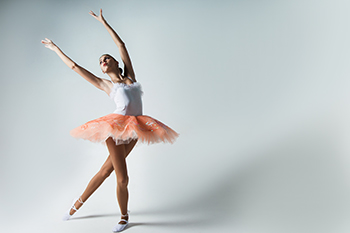
The feet play a vital role in dancing, serving as the foundation for balance, control, and expressive movement. For optimal performance, the entire foot must move as a coordinated unit, allowing smooth transitions and powerful push offs. Deep external rotator muscles are especially important, as they help control foot and ankle alignment while supporting stability through complex dance movements. Practicing foot separating motions between the forefoot and hindfoot can improve flexibility, control, and awareness, helping dancers move with greater precision and reduce strain. When foot mechanics are limited or imbalanced, performance and comfort may suffer. A podiatrist can help by evaluating foot structure, alignment, and movement patterns specific to dance demands. If foot pain or instability is affecting your dancing, it is suggested that you schedule a podiatry evaluation to protect your feet and enhance performance.
If you have any concerns about your feet, contact Timothy Gauldin, DPM from Toe-tal Foot Care. Our practitioner can provide the care you need to keep you pain-free and on your feet.
Biomechanics in Podiatry
Podiatric biomechanics is a particular sector of specialty podiatry with licensed practitioners who are trained to diagnose and treat conditions affecting the foot, ankle and lower leg. Biomechanics deals with the forces that act against the body, causing an interference with the biological structures. It focuses on the movement of the ankle, the foot and the forces that interact with them.
A History of Biomechanics
- Biomechanics dates back to the BC era in Egypt where evidence of professional foot care has been recorded.
- In 1974, biomechanics gained a higher profile from the studies of Merton Root, who claimed that by changing or controlling the forces between the ankle and the foot, corrections or conditions could be implemented to gain strength and coordination in the area.
Modern technological improvements are based on past theories and therapeutic processes that provide a better understanding of podiatric concepts for biomechanics. Computers can provide accurate information about the forces and patterns of the feet and lower legs.
Understanding biomechanics of the feet can help improve and eliminate pain, stopping further stress to the foot.
If you have any questions please feel free to contact our office located in Hot Springs, AR . We offer the newest diagnostic and treatment technologies for all your foot and ankle needs.
Custom Orthotics For Seniors

Age gracefully and move freely with Custom Orthotics. For seniors seeking to maintain their independence, Custom Orthotics offer the stability and comfort essential for daily activities. Custom-tailored to your feet, they provide support, reduce pain, and enhance mobility, ensuring you're always on sure footing. Don't let age-related foot concerns hold you back. With Custom Orthotics, embrace every golden moment with confidence. Call today to schedule an appointment.
Simple Stretches to Support a Healthy Foot Arch
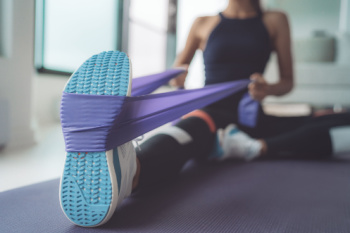
Strong, flexible foot arches play an important role in balance, comfort, and long-term mobility. Gentle daily stretching can help reduce tension and improve circulation in the muscles that support the arch. The towel stretch is an easy option that lengthens the plantar fascia and calf by gently pulling the foot toward the body while seated. Another effective technique is the ball roll, which massages the arch and helps release tight tissue by slowly rolling the sole of the foot over a small ball. While these stretches can be helpful, persistent pain or stiffness may signal an underlying issue. A podiatrist can evaluate foot mechanics, identify contributing conditions, and create a personalized treatment plan that may include custom orthotics or advanced care. If you have pain in the arch of your foot, it is suggested that you consult a podiatrist who can offer effective relief tips, which may include additional arch stretches.
Why Stretching Is Important for Your Feet
Stretching the feet is a great way to prevent injuries. If you have any concerns with your feet consult with Timothy Gauldin, DPM from Toe-tal Foot Care. Our practitioner will assess your condition and provide you with quality foot and ankle treatment.
Stretching the Feet
Stretching the muscles in the foot is an important part in any physical activity. Feet that are tight can lead to less flexibility and make you more prone to injury. One of the most common forms of foot pain, plantar fasciitis, can be stretched out to help ease the pain. Stretching can not only ease pain from plantar fasciitis but also prevent it as well. However, it is important to see a podiatrist first to determine if stretching is right for you. Podiatrists can also recommend other ways to stretch your feet. Once you know whether stretching is right for you, here are some excellent stretches you can do.
- Using a foam roller or any cylindrical object (a water bottle or soda can will do), roll the object under your foot back and forth. You should also exert pressure on the object. Be sure to do this to both feet for a minute. Do this exercise three times each.
- Similar to the previous exercise, take a ball, such as a tennis ball, and roll it under your foot while seated and exert pressure on it.
- Grab a resistance band or towel and take a seat. If you are using a towel, fold it length wise. Next put either one between the ball of your foot and heel and pull with both hands on each side towards you. Hold this for 15 seconds and then switch feet. Do this three times for each foot.
- Finally hold your big toe while crossing one leg over the other. Pull the toe towards you and hold for 15 seconds. Once again do this three times per foot.
It is best to go easy when first stretching your foot and work your way up. If your foot starts hurting, stop exercising to ice and rest the foot. It is advised that you then see a podiatrist for help.
If you have any questions please contact our office located in Hot Springs, AR . We offer the newest diagnostic and treatment technologies for all your foot and ankle needs.
Enhancing Athletic Performance With Custom Orthotics
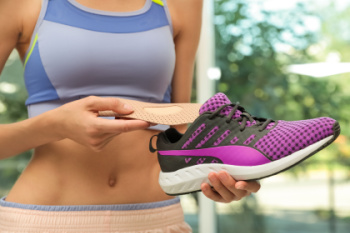
Athletes and active individuals often experience foot discomfort caused by repetitive stress and impact associated with physical activities. Orthotics can help by providing support, cushioning, and alignment to the feet, which can enhance performance and reduce the risk of injury. These devices are designed to address specific biomechanical issues, like overpronation or high arches, that can lead to plantar fasciitis, shin splints, or knee pain. By redistributing pressure and stabilizing the foot, orthotics can improve posture and balance, allowing for more efficient movement during sports and physical activities. Additionally, they can absorb shock, reducing the impact on joints and muscles, which in turn decreases fatigue and discomfort. Whether engaging in running, basketball, soccer, or other high-impact sports, orthotics can provide the necessary support to maintain foot health and enhance athletic performance. If you are an athlete in search of more comfort during physical activity, it is suggested that you schedule an appointment with a podiatrist to discuss how custom orthotics can benefit you.
Custom orthotics are specialized shoe inserts created to support and align the feet according to each person’s unique structure and walking pattern. They are an effective way to relieve foot discomfort caused by conditions such as flat feet, high arches, plantar fasciitis, bunions, and heel pain. When the natural alignment of the foot is off balance, it can lead to pressure points, strain, and pain that affect how a person stands, walks, and moves. Orthotics work by redistributing weight evenly and supporting the arch to reduce stress on the muscles, tendons, and joints of the feet and lower legs.
Foot discomfort can develop for many reasons, including wearing improper footwear, long hours of standing, repetitive motion, or underlying structural problems. Over time, this discomfort can extend beyond the feet, contributing to knee, hip, or lower back pain. Custom orthotics help correct these issues by improving alignment and promoting more efficient movement. They are made using precise measurements and imaging to ensure the best fit for each patient, providing targeted support and cushioning where it is needed most.
Unlike generic insoles, custom orthotics are durable, medically designed, and tailored to your specific needs. Whether you are managing chronic pain, recovering from an injury, or simply seeking better comfort and stability, orthotics can make a noticeable difference in how your feet feel throughout the day.
If you are experiencing persistent foot discomfort or fatigue, it may be time to have your feet evaluated by a podiatrist. Call our office today for more information or to schedule an appointment.
If you have any questions, please feel free to contact our office located in Hot Springs, AR .
Inspect Your Feet Regularly for Abnormalities if You're Diabetic
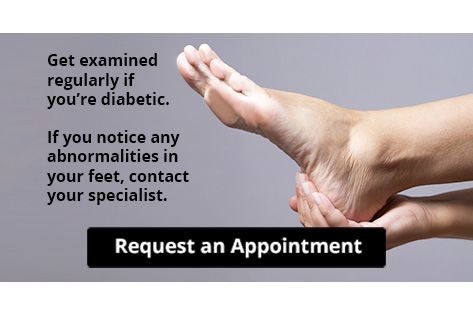
Diabetic patients often have decreased sensitivity in their feet, which makes a visual inspection of the feet even more important. If you're diabetic, having periodic screenings is extremely important for maintaining the overall health of your feet.
Foot Pain From Morton’s Neuroma
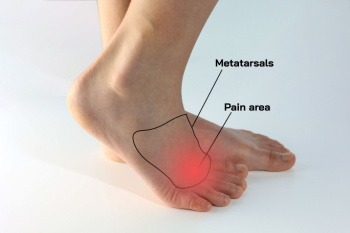
Morton’s neuroma is a painful condition affecting the nerves between the toes, most commonly between the third and fourth toes. Foot pain often feels sharp, burning, or tingling and may radiate into the toes. Causes include repetitive pressure or irritation from tight shoes, high heels, or abnormal foot mechanics. Symptoms can include numbness, a feeling of a pebble in the shoe, swelling, and discomfort that worsens with activity. Risk factors include wearing narrow or pointed shoes, participating in high-impact sports, and having foot deformities such as bunions or flat feet. A podiatrist can help by diagnosing the condition, recommending footwear modifications, providing orthotics, performing conservative treatments, and, if needed, guiding advanced care. If you have developed toe or forefoot pain it is suggested that you consult a podiatrist who can accurately diagnose and treat what may be going on.
Morton’s neuroma is a very uncomfortable condition to live with. If you think you have Morton’s neuroma, contact Timothy Gauldin, DPM of Toe-tal Foot Care. Our practitioner will attend to all of your foot care needs and answer any of your related questions.
Morton’s Neuroma
Morton's neuroma is a painful foot condition that commonly affects the areas between the second and third or third and fourth toe, although other areas of the foot are also susceptible. Morton’s neuroma is caused by an inflamed nerve in the foot that is being squeezed and aggravated by surrounding bones.
What Increases the Chances of Having Morton’s Neuroma?
- Ill-fitting high heels or shoes that add pressure to the toe or foot
- Jogging, running or any sport that involves constant impact to the foot
- Flat feet, bunions, and any other foot deformities
Morton’s neuroma is a very treatable condition. Orthotics and shoe inserts can often be used to alleviate the pain on the forefront of the feet. In more severe cases, corticosteroids can also be prescribed. In order to figure out the best treatment for your neuroma, it’s recommended to seek the care of a podiatrist who can diagnose your condition and provide different treatment options.
If you have any questions, please feel free to contact our office located in Hot Springs, AR . We offer the newest diagnostic and treatment technologies for all your foot care needs.
