Blog
Items filtered by date: November 2025
Effective Stretches for Foot Pain Relief

Foot pain can be caused by various factors such as tight muscles, plantar fasciitis, or overuse. To alleviate discomfort, stretching the feet can be a highly effective solution. One of the simplest stretches is the toe stretch, where you sit and pull your toes gently towards your shin, helping to release tension in the foot’s arch and toes. Another effective stretch is the calf stretch, which involves standing facing a wall, placing one foot behind the other, and leaning into the wall to stretch the calf muscles, which can often contribute to foot pain. The plantar fascia stretch can be done by sitting and using a towel or band around the foot to pull the toes back toward you. Regularly incorporating these stretches can help relieve foot pain, improve flexibility, and prevent future discomfort. If you have foot pain, it is suggested that you contact a podiatrist who can treat various foot conditions, and guide you on effective foot stretches.
Stretching the feet is a great way to prevent injuries. If you have any concerns with your feet consult with Timothy Gauldin, DPM from Toe-tal Foot Care. Our practitioner will assess your condition and provide you with quality foot and ankle treatment.
Stretching the Feet
Being the backbone of the body, the feet carry your entire weight and can easily become overexerted, causing cramps and pain. As with any body part, stretching your feet can serve many benefits. From increasing flexibility to even providing some pain relief, be sure to give your feet a stretch from time to time. This is especially important for athletes or anyone performing aerobic exercises, but anyone experiencing foot pain or is on their feet constantly should also engage in this practice.
Great ways to stretch your feet:
- Crossing one leg over the others and carefully pull your toes back. Do 10-20 repetitions and repeat the process for each foot
- Face a wall with your arms out and hands flat against the wall. Step back with one foot and keep it flat on the floor while moving the other leg forward. Lean towards the wall until you feel a stretch. Hold for 30 seconds and perform 10 repetitions for each foot
- Be sure not to overextend or push your limbs too hard or you could risk pulling or straining your muscle
Individuals who tend to their feet by regular stretching every day should be able to minimize foot pain and prevent new problems from arising.
If you have any questions please contact our office located in Hot Springs, AR . We offer the newest diagnostic and treatment technologies for all your foot and ankle needs.
Custom Orthotics For Foot and Heel Pain

Step into relief and reclaim your mobility! Foot and heel pain can be a thing of the past with the right Custom Orthotics. Customized to your unique foot structure, they provide the support and alignment needed to alleviate discomfort. Whether you're walking, running, or simply standing, Custom Orthotics ensure every step is cushioned and pain-free. Don't let foot ailments dictate your day. With Custom Orthotics, embrace a world of comfort and freedom. Call today to schedule an appointment.
Pain in Different Areas of the Foot
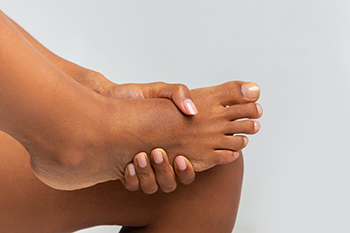
Foot pain can develop in almost any area, and each spot can tell a different story. Discomfort in the heel may be caused by plantar fasciitis or heel spurs, while aching in the arch often points to strain, flat feet, or tendon irritation. Pain across the top of the foot may come from wearing tight shoes, joint inflammation, or small stress fractures. Pain near the toes, bunions, hammertoes, or pinched nerves can make walking uncomfortable. Because the foot’s structure is so intricate, even a small imbalance or change in gait can create widespread discomfort. A podiatrist can pinpoint the true source of pain and provide targeted treatment, from custom orthotics and footwear guidance to targeted exercises and pain relief options. If foot pain is keeping you from moving comfortably, it is suggested that you schedule an appointment with a podiatrist for evaluation and appropriate care.
Foot Pain
Foot pain can be extremely painful and debilitating. If you have a foot pain, consult with Timothy Gauldin, DPM from Toe-tal Foot Care. Our practitioner will assess your condition and provide you with quality foot and ankle treatment.
Causes
Foot pain is a very broad condition that could be caused by one or more ailments. The most common include:
- Bunions
- Hammertoes
- Plantar Fasciitis
- Bone Spurs
- Corns
- Tarsal Tunnel Syndrome
- Ingrown Toenails
- Arthritis (such as Gout, Rheumatoid, and Osteoarthritis)
- Flat Feet
- Injury (from stress fractures, broken toe, foot, ankle, Achilles tendon ruptures, and sprains)
- And more
Diagnosis
To figure out the cause of foot pain, podiatrists utilize several different methods. This can range from simple visual inspections and sensation tests to X-rays and MRI scans. Prior medical history, family medical history, and any recent physical traumatic events will all be taken into consideration for a proper diagnosis.
Treatment
Treatment depends upon the cause of the foot pain. Whether it is resting, staying off the foot, or having surgery; podiatrists have a number of treatment options available for foot pain.
If you have any questions, please feel free to contact our office located in Hot Springs, AR . We offer the newest diagnostic and treatment technologies for all your foot care needs.
Prescription Insoles
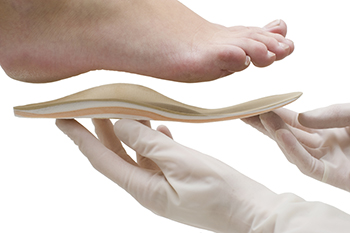
Prescription insoles and custom foot orthotics are one and the same. They are orthotics tailored to correct biomechanical issues that cause discomfort or pain in your lower extremities. Unlike generic insoles, they are precisely engineered based on an individual's foot structure and medical needs. They offer solutions for conditions like high arches, pronation, supination, bunions, and plantar fasciitis. A rigorous biomechanical assessment, often enhanced by gait analysis, informs the prescription. These orthotics influence how pressure from the ground interacts with your foot during movement, enabling better alignment of ligaments and tendons around the ankle. Custom orthotics can serve various functions, from pain relief and pressure redistribution to improving overall foot and lower limb biomechanics. Custom orthotics can be designed for various activities and types of footwear. Though they may require refurbishment, they are generally long-lasting and can be a life-altering investment for those in need. If you are interested in learning whether custom orthotics are right for you, it is suggested that you make an appointment with a podiatrist for a consultation and discussion.
Custom orthotics play an important role in preventing and treating foot and ankle injuries by providing personalized support that aligns with the unique structure of each foot. These specially designed devices help correct biomechanical imbalances, reduce pressure on sensitive areas, and improve stability during movement. When the feet are properly supported, the risk of developing conditions such as plantar fasciitis, Achilles tendinitis, and ankle sprains can be significantly reduced. Custom orthotics also help relieve discomfort caused by having flat feet, high arches, or uneven leg length, which may contribute to recurring injuries or pain.
Foot and ankle injuries can develop gradually from repetitive strain or occur suddenly during physical activity. Without proper treatment, these injuries can affect mobility and overall quality of life. Orthotics work to redistribute weight evenly across the foot, allowing joints and muscles to function more efficiently. This not only supports recovery from injury but can also prevent future problems by promoting better posture and alignment throughout the lower body.
Unlike over-the-counter inserts, custom orthotics are designed based on a detailed evaluation of each patient’s foot structure, gait, and medical needs. Podiatrists use advanced imaging and diagnostic tools to create orthotics that fit precisely and provide targeted correction. Whether used in everyday footwear or athletic shoes, custom orthotics can improve comfort, enhance performance, and support long-term foot health.
If you are experiencing foot or ankle pain or have sustained an injury that has not improved with rest, it is suggested that you schedule an appointment with a podiatrist. Call our office for more information or to make an appointment.
If you have any questions, please feel free to contact our office located in Hot Springs, AR .
Treating Non-Diabetic Foot Ulcers
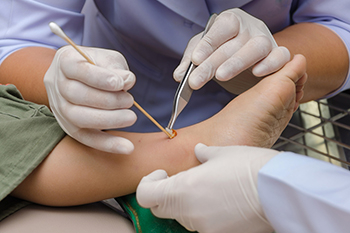
Foot ulcers are open sores that develop when the skin and underlying tissue break down, often due to poor circulation, pressure, or injury. While many people associate ulcers with diabetes, non-diabetic foot ulcers can also occur from trauma, vascular disease, or prolonged pressure on certain areas of the foot. These wounds may start small but can quickly worsen, if left untreated. A podiatrist can determine the cause, clean and dress the ulcer, and recommend treatments that promote faster healing and prevent infection. Custom orthotics or footwear modifications may also be advised to relieve pressure and protect the affected area. Proper wound care and consistent follow-up are key to recovery. If you have a sore on your foot that becomes painful or does not heal, it is suggested you schedule an appointment with a podiatrist for a proper diagnosis and appropriate treatment.
Wound care is an important part in dealing with diabetes. If you have diabetes and a foot wound or would like more information about wound care for diabetics, consult with Timothy Gauldin, DPM from Toe-tal Foot Care. Our practitioner will assess your condition and provide you with quality foot and ankle treatment.
What Is Wound Care?
Wound care is the practice of taking proper care of a wound. This can range from the smallest to the largest of wounds. While everyone can benefit from proper wound care, it is much more important for diabetics. Diabetics often suffer from poor blood circulation which causes wounds to heal much slower than they would in a non-diabetic.
What Is the Importance of Wound Care?
While it may not seem apparent with small ulcers on the foot, for diabetics, any size ulcer can become infected. Diabetics often also suffer from neuropathy, or nerve loss. This means they might not even feel when they have an ulcer on their foot. If the wound becomes severely infected, amputation may be necessary. Therefore, it is of the upmost importance to properly care for any and all foot wounds.
How to Care for Wounds
The best way to care for foot wounds is to prevent them. For diabetics, this means daily inspections of the feet for any signs of abnormalities or ulcers. It is also recommended to see a podiatrist several times a year for a foot inspection. If you do have an ulcer, run the wound under water to clear dirt from the wound; then apply antibiotic ointment to the wound and cover with a bandage. Bandages should be changed daily and keeping pressure off the wound is smart. It is advised to see a podiatrist, who can keep an eye on it.
If you have any questions please contact our office located in Hot Springs, AR . We offer the newest diagnostic and treatment technologies for all your foot and ankle needs.
When a Toe Sprain Disrupts Your Step

A toe sprain occurs when the ligaments that support the toe are stretched or torn, often from stubbing the toe, sudden twisting, or impact during sports. Although it may seem minor, a sprain can cause swelling, bruising, and difficulty walking. Many people mistake a sprain for a fracture, but only a proper examination can confirm the diagnosis. Because the toes play an important role in balance and push-off while walking, even a small injury can affect comfort and mobility. Prompt care helps prevent further damage and promotes proper healing so you can stay active without lingering pain. If you notice persistent swelling, pain, or stiffness after injuring your toe, it is suggested that you visit a podiatrist for an accurate diagnosis and treatment plan tailored to your specific needs.
Toe pain can disrupt your daily activities. If you have any concerns, contact Timothy Gauldin, DPM of Toe-tal Foot Care. Our practitioner can provide the care you need to keep you pain-free and on your feet.
What Causes Toe Pain?
Most severe toe pain is caused due to a sports injury, trauma from dropping something heavy on the toe, or bumping into something rigid. Other problems can develop over time for various reasons.
Toe pain can be caused by one or more ailments. The most common include:
- Trauma
- Sports injury
- Wearing shoes that are too tight
- Arthritis
- Gout
- Corns and calluses
- Hammertoe
- Bunions
- Blisters
- Ingrown toenails
- Sprains
- Fractures (broken bones)
- Dislocations
When to See a Podiatrist
- Severe pain
- Persistent pain that lasts more than a week
- Signs of infection
- Continued swelling
- Pain that prevents walking
Diagnosis
In many cases the cause of toe pain is obvious, but in others, a podiatrist may want to use more advanced methods to determine the problem. These can range from simple visual inspections and sensation tests to X-rays and MRI scans. Prior medical history, family medical history, and any recent physical traumatic events will all be taken into consideration for a proper diagnosis.
Treatment
Treatments for toe pain and injuries vary and may include shoe inserts, padding, taping, medicines, injections, and in some cases, surgery. If you believe that you have broken a toe, please see a podiatrist as soon as possible.
If you have any questions please contact our office located in Hot Springs, AR . We offer the newest diagnostic and treatment technologies for all your foot and ankle needs.
